
More Than Just a Stomach Ache: How the GI-MAP Test Uncovers the Root Cause of Digestive Issues
Everyone has stomach trouble once in a while. Maybe you feel bloated after a meal, have gas, stomach pain, or notice changes in your bathroom habits. Sometimes it really is just something you ate or a stressful day.
But when these problems keep coming back, it may be your body’s way of saying something needs attention. Ongoing digestive issues can affect more than your stomach. They can change your energy, mood, comfort, and how you feel after eating.
Your gut plays a big role in your overall health. It helps break down food, absorb nutrients, support the immune system, and keep your body balanced. When the gut is not working well, you may feel it in different ways.
That is why deeper testing can be helpful. The GI-MAP test gives healthcare providers a closer look at what may be happening inside the digestive system. Instead of guessing, it can help point to possible causes behind ongoing stomach problems.
Why Digestive Problems Can Be Hard to Figure Out
Digestive symptoms can be confusing because many issues present the same way. Bloating, stomach pain, food reactions, gas, and irregular bathroom habits can come from many different causes.
One possible cause is gut dysbiosis. This means the balance of bacteria and other organisms in the gut is off. Your gut has both helpful and harmful bacteria. When harmful bacteria grow too much or the balance shifts, your digestion may not work as it should.
This imbalance can lead to stomach discomfort, bloating, food sensitivities, low energy, or feeling run-down. Some people know they do not feel right, but they are not sure why.
Another issue often discussed in gut health is leaky gut, also known as intestinal permeability. This means the gut lining may not be working as strongly as it should. When the gut barrier is weakened, substances may pass through more easily, triggering irritation or immune responses in the body.
These problems are not always easy to notice from symptoms alone. That is why testing can give helpful information.
How the GI-MAP Test Looks Deeper
A regular stool test can be helpful, but it may not always catch everything. Some tests may miss small infections, hidden imbalances, or certain organisms that could still be affecting your gut.
The GI-MAP test looks deeper by using PCR-based testing. In simple terms, this means the test looks for the DNA of bacteria, parasites, fungi, and other organisms in the gut. This can give a more complete picture of what is happening inside the digestive system.
This type of testing may help healthcare providers better understand the causes of symptoms. Instead of only looking at the discomfort itself, they can look for possible root causes.
Novalab offers GI-MAP testing to help patients and providers get more useful information. When providers have clearer results, they can make better choices about which steps to take next.
For someone who has been dealing with digestive problems for a long time, this can make the process feel less frustrating. It can help explain why symptoms keep returning and what areas of gut health may need support.
What the GI-MAP Test Is and What Is Required
The GI-MAP test is an at-home stool test that gives a deeper look at gut health. Instead of only checking for basic findings, this test uses PCR-based technology to detect DNA from bacteria, parasites, fungi, and other organisms that may be living in the digestive system.
This matters because some gut problems are not easy to find with standard testing. A person may have bloating, stomach pain, food reactions, or irregular bathroom habits, but still not have clear answers from a basic test. The GI-MAP test is designed to look more closely at what may be affecting digestion, gut balance, and intestinal health.
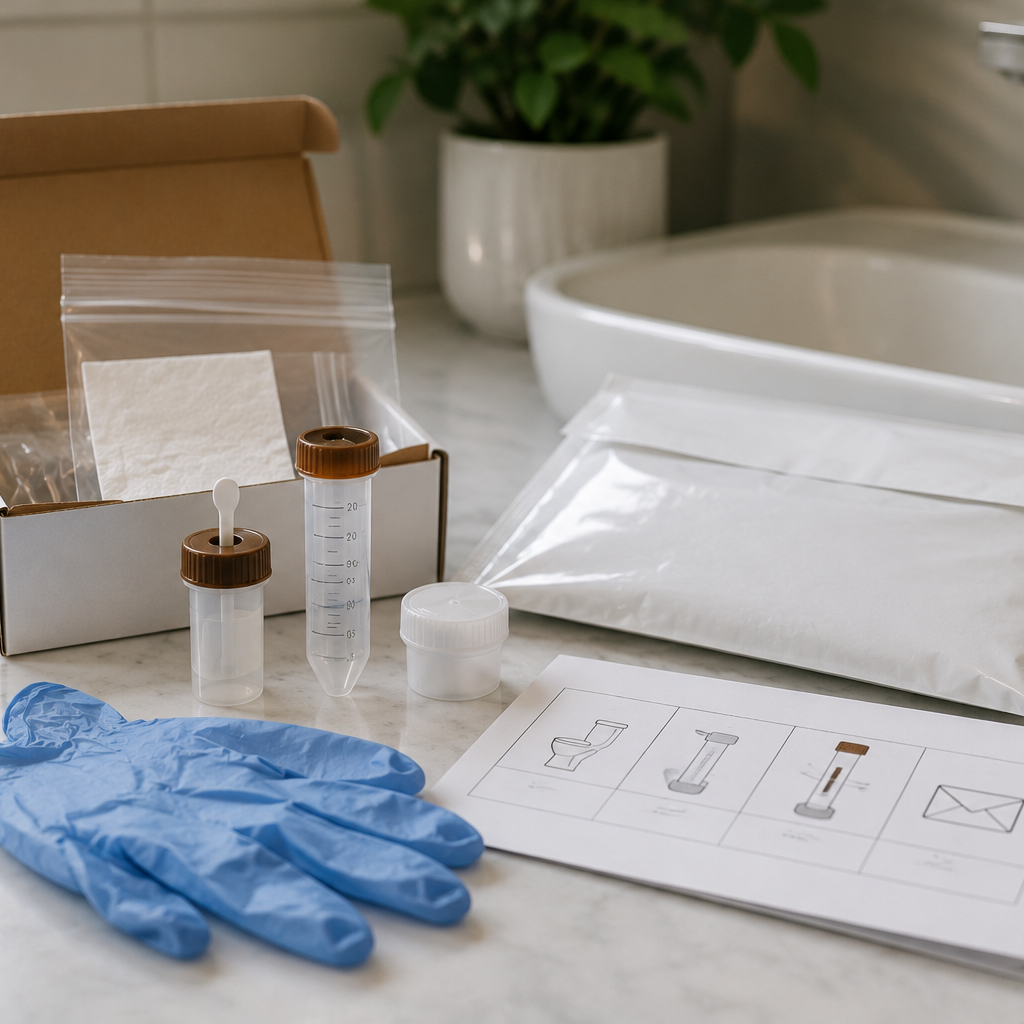
The process is simple for the patient. A collection kit is provided with instructions. The sample is collected at home, then sent back to the lab for testing. Once the sample is received, results are usually ready in about 2 weeks.
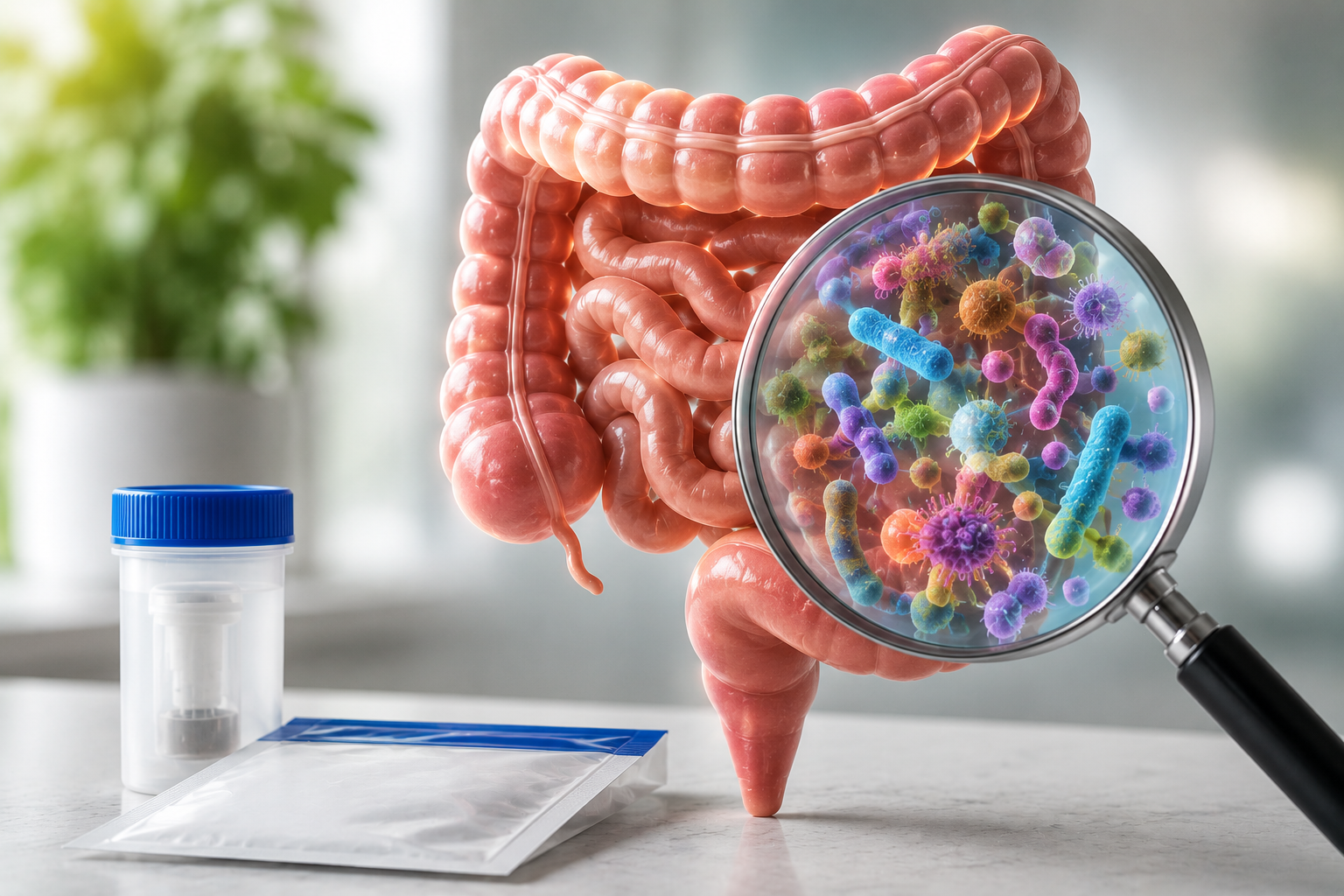
The report is detailed and is often around 10 to 12 pages. It may include information about gut bacteria, parasites, fungi, digestive markers, inflammation-related markers, and other factors that may play a role in leaky gut or gut imbalance.
Leaky gut, also called intestinal permeability, means the gut lining may not be working as strongly as it should. When the gut barrier is weakened, it may allow certain particles to pass through more easily. This can sometimes lead to irritation, immune responses, food reactions, bloating, and other digestive concerns.
Gut dysbiosis is another important part of the GI-MAP test. This means the balance of organisms in the gut may be off. Your gut has helpful bacteria, but it can also have harmful bacteria or other organisms that grow too much. When this balance is not right, digestion may be affected.
The goal of the GI-MAP test is to give healthcare providers a clearer picture. It helps them see what may be happening beneath the surface so they can make more informed decisions about next steps. Testing does not replace medical care, but it can give providers useful information when digestive symptoms keep coming back.
What to Expect From the At-Home GI-MAP Test
One helpful part of the GI-MAP test is that it is an at-home stool test. You collect the sample at home by following the kit instructions. After that, you send it back to the lab for testing.
Results are usually ready in about 2 weeks. The report is detailed and is often around 10 to 12 pages. It looks at many things that may play a role in leaky gut, gut imbalance, and digestive symptoms.
The report may include information about bacteria, parasites, fungi, digestion markers, and other factors that may be affecting your gut health. This gives your healthcare provider more information to work with when deciding what may help.
The GI-MAP test does not replace medical care, but it can support better conversations with your provider. It can help guide next steps instead of leaving you guessing.
If you have ongoing bloating, stomach pain, food reactions, irregular bathroom habits, or digestive issues that keep coming back, it may be time to take a closer look. You can contact us to learn more or schedule an appointment.
Stomach problems are not always just a simple stomach ache. Sometimes they are a sign that your gut needs more support. The GI-MAP test can help uncover what may be happening beneath the surface and give providers useful information to help guide care. If you are ready to learn more about gut testing, reaching out to Novalab is a smart next step.