Novalab Corp – The Science Behind Food Sensitivities: How Our Testing Can Transform Your Health

Novalab Corp – The Science Behind Food Sensitivities: How Our Testing Can Transform Your Health

Chronic Symptoms With No Clear Cause? The Answers May Be on Your Plate.

Have you ever felt dismissed after a doctor told you your labs were “normal,” despite still feeling unwell? You’re not alone. At Novalab Corp in Wayne, NJ, we specialize in uncovering what traditional lab tests often miss—immune responses to everyday foods that could be silently fueling your symptoms.
Our advanced IgG food sensitivity testing identifies delayed immune reactions that may contribute to inflammation, digestive problems, mental fog, and even autoimmune flares. Armed with these insights, you can take clear, actionable steps to reduce symptoms, improve your diet, and restore balance to your body.

What Are IgG Food Sensitivities—and Why Do They Matter?

IgG (Immunoglobulin G) responses are part of your body’s delayed immune system. When your body produces IgG antibodies to certain foods, it often leads to chronic, low-grade inflammation rather than an immediate allergic reaction.
This kind of inflammation can be subtle—but over time, it adds up, resulting in:
  • Gas, bloating, and irregular bowel movements
  • Joint pain and inflammation
  • Acne, eczema, and rosacea
  • Mental fatigue and memory issues
  • Anxiety, mood swings, and irritability
  • Unexplained weight gain
  • Hormonal imbalances
You don’t need to have a diagnosed condition for food sensitivities to negatively impact your life. Even seemingly “healthy” foods like eggs, almonds, or spinach can cause issues if your body is reacting to them.

How Novalab’s Testing Works

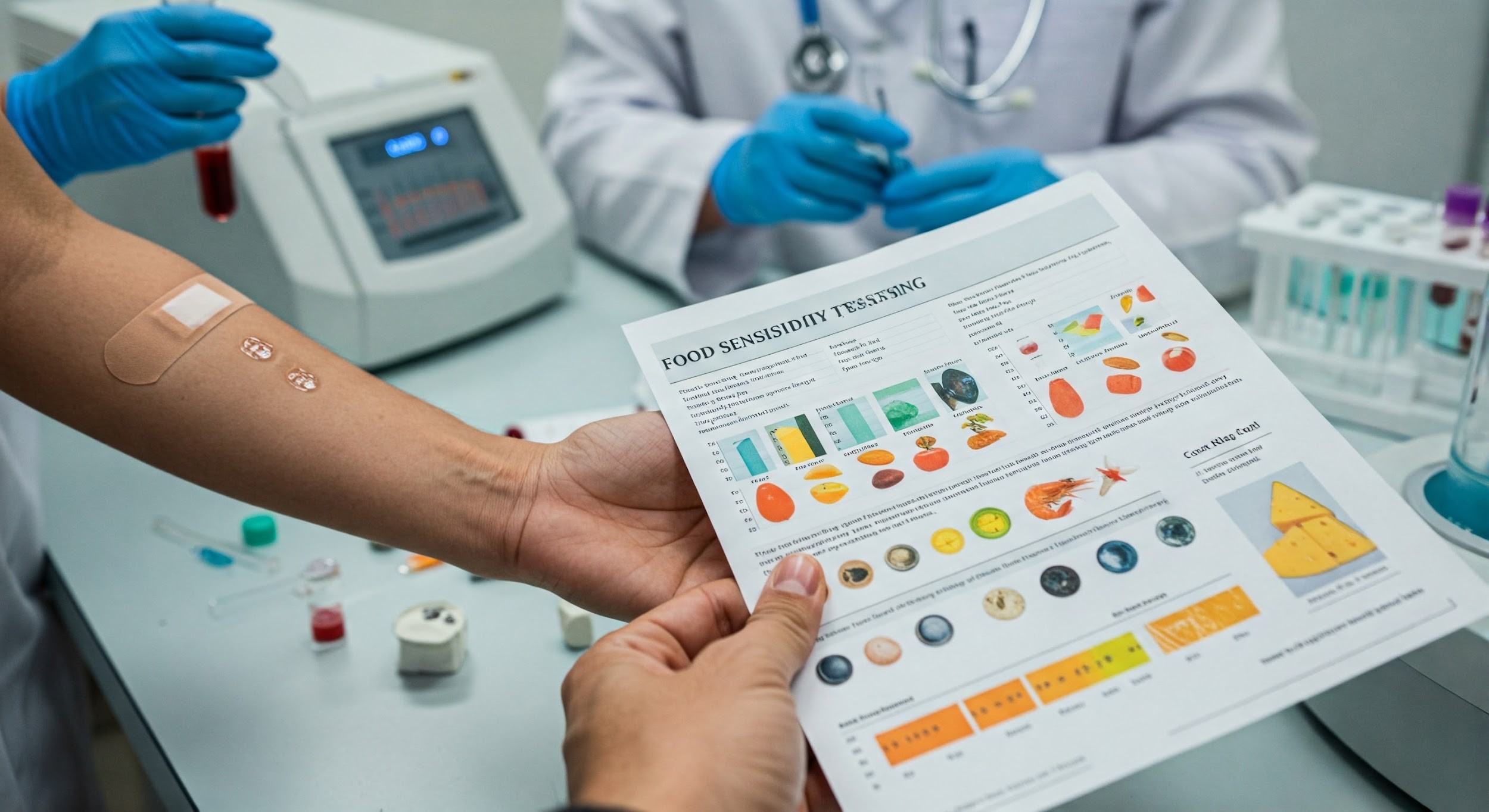
At Novalab Corp, we offer scientifically validated IgG food panels that test for reactions to over 100 foods commonly found in American diets. We provide you with easy-to-understand results, along with actionable guidance from our in-house health specialists.
Here’s what the process looks like:
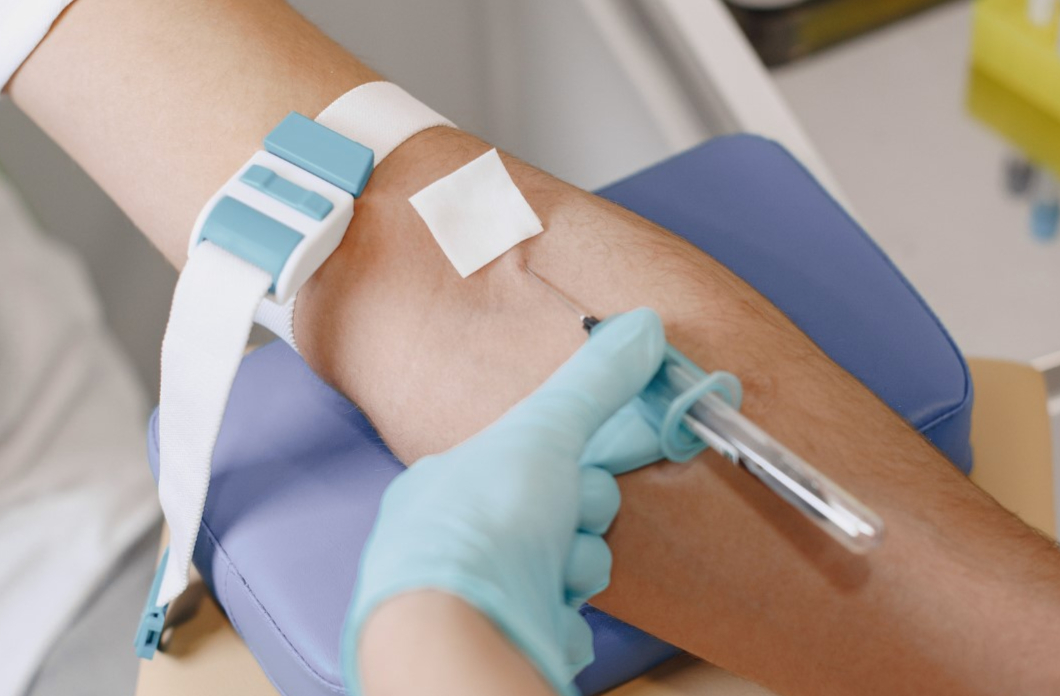
  • Quick and painless blood draw or finger-prick test
  • Analysis of IgG antibody response levels to specific foods
  • Personalized report with insights and nutritional recommendations
  • Support with elimination diets, reintroduction phases, and symptom tracking
We don’t just give you the data—we guide you through the process of using it to feel better.

Evidence-Based Results

Clinical research has shown that eliminating IgG-reactive foods can significantly improve outcomes in individuals with:
  • IBS and other digestive disorders
  • Migraines and chronic headaches
  • ADHD and cognitive fog
  • Acne, eczema, and other skin issues
  • Fibromyalgia and joint pain
By identifying and eliminating reactive foods, your body can heal from the inside out, reducing inflammation and improving how you feel day to day.
Invest in the Science of Feeling Better

If you’ve tried everything and still feel stuck, it may be time to look beneath the surface. With Novalab’s food sensitivity testing, you’ll gain the clarity and tools you need to take control of your health.
Let science guide your next step
Book your food sensitivity testing at Novalab Corp in Wayne, NJ today.

Why MicroNutrient Deficiency Screening is Essential for Your Health: A Comprehensive Guide

Why MicroNutrient Deficiency Screening is Essential for Your Health: A Comprehensive Guide

The human body is an intricate system that relies on a variety of essential vitamins, minerals, and nutrients to function optimally. From maintaining immune health to regulating energy levels, these micro-nutrients play pivotal roles in ensuring overall well-being. However, deficiencies in these vital nutrients can lead to a range of health issues, often presenting as fatigue, weakened immunity, skin problems, and even more severe conditions. MicroNutrient Deficiency Screening offers an invaluable method to assess your body’s nutritional status, allowing you to identify and address any imbalances before they develop into more significant problems.

What is MicroNutrient Deficiency Screening?

MicroNutrient Deficiency Screening is a specialized test designed to evaluate the levels of essential vitamins, minerals, antioxidants, and other critical nutrients in your body. Unlike conventional blood tests that primarily focus on markers like glucose or cholesterol levels, this screening provides an in-depth look at your body’s nutrient status. By identifying deficiencies in nutrients that play a role in everything from cellular repair to immune function, this screening offers insights into your health that standard tests simply can’t provide.

Why is MicroNutrient Deficiency Screening Important?

Even if you maintain a balanced diet, nutrient deficiencies can still develop due to various factors, including poor food choices, stress, lifestyle habits, and underlying health conditions. Often, nutrient deficiencies are not immediately noticeable but can lead to a range of symptoms over time.
Some common signs of micro-nutrient deficiencies include:
  • Fatigue and Low Energy: Feeling constantly tired or drained can often be traced back to low levels of critical nutrients like iron, B12, or vitamin D.
  • Frequent Illnesses or Weakened Immune System: Deficiencies in vitamins such as vitamin C, D, and zinc can leave you more susceptible to illness.
  • Skin Problems: Dry skin, acne, rashes, and even hair loss may indicate a lack of important nutrients like vitamin A, omega-3 fatty acids, or biotin.
  • Mood Changes or Depression: Low levels of B vitamins, magnesium, or omega-3s are linked to mood swings, anxiety, and even depression.
  • Muscle Cramps and Weakness: Imbalances in minerals like magnesium, calcium, or potassium can lead to muscle discomfort and weakness.
If you’re experiencing any of these symptoms, it’s worth considering a MicroNutrient Deficiency Screening to pinpoint potential nutrient imbalances and take steps toward restoring balance.

What Does the Test Measure?

MicroNutrient Deficiency Screening measures a comprehensive range of nutrients essential for optimal health. Key components tested include:

Vitamins:

  • Vitamin D: Critical for immune health, bone strength, and mood regulation.
  • Vitamin B12: Essential for energy production, brain health, and red blood cell formation.
  • Vitamin A: Supports vision, skin health, and immune function.
  • Vitamin C: Powerful antioxidant that promotes tissue repair and boosts immunity.
  • Vitamin E: Protects cells from oxidative stress and supports skin health

Minerals:

  • Magnesium: Involved in over 300 biochemical reactions in the body, supporting muscle function, energy production, and nervous system health.
  • Calcium: Crucial for bone density, heart health, and muscle function.
  • Zinc: Essential for immune function, wound healing, and DNA synthesis.
  • Selenium: A potent antioxidant that plays a key role in thyroid health and immune function.

Antioxidants:

  • Glutathione: A powerful antioxidant that detoxifies cells, combats oxidative stress, and supports immune health.
  • Other antioxidants that help protect cells from damage and promote longevity.

Amino Acids:

  • Essential for protein synthesis, muscle recovery, brain function, and neurotransmitter production
  • Omega-3 fatty acids, which play a crucial role in reducing inflammation, supporting brain health, and improving heart function.
By analyzing your nutrient levels, we can identify specific deficiencies or imbalances, helping you make informed decisions about dietary adjustments or supplementation to restore balance and enhance overall well-being

Benefits of MicroNutrient Deficiency Screening

1. Personalized Health Insights

Unlike generic recommendations, this screening provides tailored data about your unique nutritional needs. It gives you the information you need to create a personalized approach to supplementing or adjusting your diet for optimal health.

2. Early Detection

Nutrient deficiencies often progress slowly, and symptoms can be subtle or easily attributed to other causes. Early detection enables proactive measures, preventing more serious health complications like weakened immunity, bone density loss, or neurological issues from developing.

3. Improved Wellness

With a balanced nutrient profile, you are more likely to experience improved energy levels, better mood stability, clearer skin, and enhanced overall health. Restoring balance through diet changes or supplements can significantly boost your quality of life, making you feel better physically and emotionally.

What to Expect During MicroNutrient Deficiency Screening

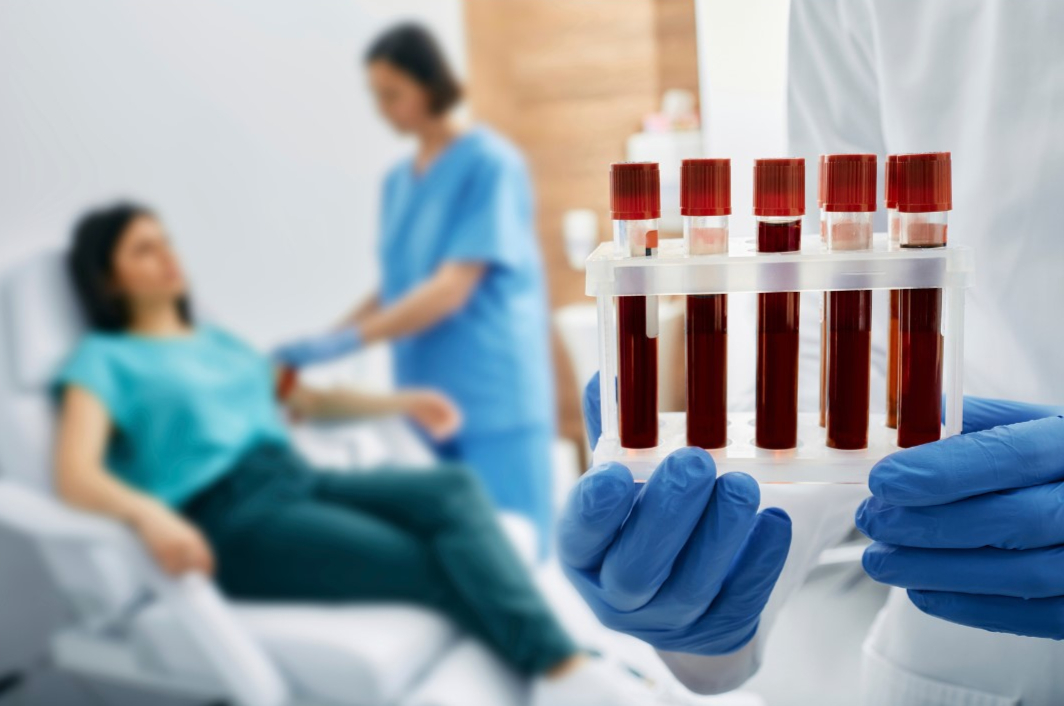
The process of MicroNutrient Deficiency Screening is simple and non-invasive. You’ll undergo a quick blood draw, which will be sent to the lab for comprehensive analysis. This test looks at a wide array of nutrients, including vitamins, minerals, amino acids, and fatty acids. Results are typically available within a few days.
Once your results are in, a detailed report will be provided, outlining the specific nutrients that are out of balance. Based on these findings, dietary or lifestyle recommendations will be discussed, and if necessary, supplementation options will be suggested to help restore optimal nutrient levels.

Take Charge of Your Health Today

If you’re experiencing unexplained symptoms like fatigue, skin issues, or mood fluctuations—or if you simply want to ensure your body is receiving the right nutrients—MicroNutrient Deficiency Screening is an important step in taking control of your health.
This test can provide clarity about your nutritional status, empowering you to make the right choices for your well-being.
Don’t wait until deficiencies worsen into more serious conditions. By identifying and addressing nutrient imbalances early, you can improve your overall health and prevent complications down the road.
If you’re ready to take the first step toward better health, schedule your MicroNutrient Deficiency Screening with NovaLab today. Understand your body’s unique needs, and optimize your health with precise, actionable insights.
For more information or to book your test, visit our MicroNutrient Deficiency Screening page or give us a call. Empower yourself with knowledge about your health and feel your best every day.

Understanding Allergy Testing: How to Breathe Easier by Identifying Triggers

Understanding Allergy Testing: How to Breathe Easier by Identifying Triggers

Seasonal changes often bring the familiar discomfort of allergies: itchy eyes, a runny nose, sneezing, and congestion. Whether triggered by pollen in the spring or pet dander throughout the year, allergies can interfere with daily life and well-being. Allergy testing plays a pivotal role in identifying specific triggers, offering a pathway toward managing symptoms and gaining control over your health.

Why Allergy Testing is Crucial

Allergy symptoms can vary widely in severity. From mild irritations to more serious reactions, pinpointing the cause is essential for effective management. Allergy testing helps identify the exact substances—whether they are environmental, food-related, or otherwise—that provoke your body’s response. With this knowledge, healthcare providers can recommend targeted treatments and lifestyle adjustments to alleviate symptoms and enhance quality of life.
Testing is not only important for those with severe or chronic symptoms but also for those experiencing seasonal discomfort. A comprehensive allergy test can shed light on what’s truly behind your symptoms, allowing for a clearer path toward relief.

Types of Allergy Tests Available

1. Skin Prick Testing

A common and reliable method for detecting allergens, this test involves applying small amounts of allergens to the skin and pricking it lightly. If you’re allergic to a substance, your skin will develop a small raised bump, providing immediate and clear results. Skin prick testing is quick, minimally invasive, and highly accurate for diagnosing common environmental and food-related allergies.

2. Blood Tests (IgE Testing)

For those unable to undergo skin testing, blood tests provide an alternative. These tests measure Immunoglobulin E (IgE) antibodies in the bloodstream, which are produced in response to an allergic reaction. Blood tests can identify a broad range of allergens, from seasonal pollen to specific foods and pet dander, providing detailed insights into your allergic sensitivities.

3. Food Allergy Testing

As food allergies become increasingly prevalent, testing for food sensitivities is vital. Whether you’re experiencing hives, gastrointestinal issues, or more severe reactions like anaphylaxis, pinpointing the specific food allergens can help mitigate risks and manage symptoms. Specialized testing can help identify common culprits such as nuts, shellfish, dairy, or gluten.

4. Environmental Allergy Testing

Environmental allergens, including mold, dust mites, and pollen, are major triggers for those with seasonal or year-round allergies. Through specialized testing, these environmental factors can be identified, allowing individuals to take proactive steps to reduce exposure in their homes and workplaces. Identifying these triggers can provide clarity on how best to manage symptoms during high-exposure seasons.

Expert Staff

Trained professionals with experience in allergy testing guide you through the process. They will answer any questions and ensure you’re comfortable throughout the procedure.

Comprehensive Testing

In-depth allergy tests provide a clearer understanding of the substances that are affecting your health. These tests go beyond the basics, offering a thorough examination of common and rare allergens, which is crucial for comprehensive care.

Accurate, Fast Results

Professional clinics use state-of-the-art technology to ensure accurate results, giving you the confidence needed to make informed decisions about treatment.

Personalized Approach

Every individual’s allergies are unique. A professional clinic takes time to assess your specific symptoms and create a personalized plan to tackle your allergy concerns.

Convenience

With a wide range of testing options and flexible scheduling, allergy testing becomes an easier, more accessible step toward relief.

What to Expect During Allergy Testing

The testing process is generally straightforward and typically lasts between 30 minutes to an hour. During a skin prick test, a technician will apply allergens to your skin and perform light pricks. You will then wait for a short period to observe any reactions. If you opt for blood testing, a quick blood sample will be taken to measure IgE antibodies. In both cases, results are typically available within a few days to a week, depending on the type of test.
Following the test, you’ll be given detailed results. The healthcare provider will discuss your triggers and suggest lifestyle changes, avoidance strategies, or treatment options, such as antihistamines or allergy shots, to help alleviate your symptoms.

Taking Control of Your Health

Allergy testing is the first step in taking control of your health and improving your quality of life. By identifying specific triggers, you can develop an effective strategy for managing symptoms, reducing exposure, and making informed decisions about lifestyle and treatment options. Whether you suffer from seasonal allergies or have year-round sensitivities, allergy testing is an important tool in navigating your health challenges.
If you’re tired of dealing with persistent allergy symptoms, allergy testing provides clarity and relief. Understanding exactly what’s causing your symptoms allows you to make proactive decisions for your health.

Schedule Your Allergy Test Today

Don’t let allergies dictate your daily life. Taking the first step toward relief is simple: schedule your allergy test with NovaLab today. NovaLab offers comprehensive testing, performed by an experienced medical team, will help you uncover the causes of your symptoms and guide you toward effective solutions. Get back to enjoying life without the constant discomfort of allergies.

To book your allergy test or for more information, contact us today. Let’s work together to help you breathe easier and live better!

How Micronutrient Deficiencies Affect Women’s Bone, Heart, and Reproductive Health

How Micronutrient Deficiencies Affect Women’s Bone, Heart, and Reproductive Health

Women’s health is a complex interplay of various physiological systems, each influenced by key micronutrients. As women age, they become more susceptible to conditions such as osteoporosis, cardiovascular disease, and fertility challenges. Micronutrient deficiencies can significantly contribute to these risks, making it crucial to understand the role of essential nutrients like calcium, vitamin D, iron, and omega-3 fatty acids in maintaining optimal health.
While lifestyle factors such as diet, exercise, and stress management play a role in disease prevention, early detection of deficiencies through laboratory testing is equally important.

The Impact of Micronutrient Deficiencies on Women’s Health

1. Bone Health: Preventing Osteoporosis and Fractures

Osteoporosis is a silent condition that weakens bones over time, increasing the risk of fractures. Women, particularly postmenopausal women, are at higher risk due to hormonal changes that reduce bone density. Several key nutrients play a role in maintaining strong bones:
  • Calcium: The primary mineral in bone structure, calcium is essential for bone strength. Low levels can lead to bone thinning, increased fracture risk, and muscle cramps.
  • Vitamin D: Facilitates calcium absorption and supports bone mineralization. A deficiency can result in weaker bones, chronic pain, and an increased risk of fractures.
  • Magnesium: Helps regulate calcium and vitamin D metabolism. Low levels may contribute to bone loss and osteoporosis.

2. Heart Health: Reducing Cardiovascular Risk

Cardiovascular disease remains a leading cause of death among women. Many risk factors, including high blood pressure, high cholesterol, and inflammation, are influenced by micronutrient status:
  • Iron: Essential for oxygen transport in the blood. Deficiency can lead to anemia, fatigue, and an increased heart disease risk.
  • Omega-3 Fatty Acids: These healthy fats help reduce inflammation, lower blood pressure, and support overall heart function.
  • Vitamin K2: Plays a role in preventing calcium buildup in arteries, reducing the risk of atherosclerosis.

A Cardiac Markers Test can help evaluate heart health by measuring key indicators such as cholesterol levels, inflammation markers, and iron status, allowing for early intervention when necessary.

3. Reproductive Health: Supporting Fertility and Hormonal Balance

For women planning to conceive or struggling with hormonal imbalances, nutrient deficiencies can significantly impact reproductive health:
  • Folic Acid (Vitamin B9): Essential for fetal development and reducing the risk of neural tube defects. Low levels can affect egg quality and increase pregnancy complications.
  • Iron: A deficiency can contribute to irregular menstrual cycles, fatigue, and infertility.
  • Vitamin D: Plays a role in ovarian function and hormone production, making it essential for conception and maintaining a healthy pregnancy.
A Fertility Test measures reproductive hormone levels, offering insight into potential fertility challenges and guiding women in optimizing their reproductive health.

4. Genetic Health: Understanding Hereditary Cancer Risks

Women with a family history of breast, ovarian, or other hormone-related cancers may benefit from Hereditary Cancer Testing (CGX). This test helps identify genetic predispositions to cancer, enabling early preventive measures and personalized medical strategies.

The Importance of Early Detection Through Diagnostic Testing

Many micronutrient deficiencies develop silently, often showing symptoms only when the deficiency has progressed. Regular screening allows for:
  • Early intervention and prevention of conditions such as osteoporosis, cardiovascular disease, and fertility challenges.
  • Personalized treatment plans, including targeted supplementation and dietary modifications.
  • Improved long-term health outcomes, helping women maintain strength, energy, and overall well-being.

How NovaLab’s Testing Services Support Women’s Health

NovaLab offers specialized diagnostic tests designed to assess key aspects of women’s health:
  • Measures bone density markers, calcium levels, and vitamin D status to assess overall bone strength.
  • Identifies osteoporosis risk, potential bone mineral deficiencies, and early signs of bone loss.

2. Cardiac Markers Test

  • Evaluates cholesterol profiles, inflammatory markers (such as C-reactive protein), and iron levels.
  • Detects early signs of heart disease, arterial inflammation, and cardiovascular risk factors.

3. Fertility Test

  • Measures levels of estrogen, progesterone, luteinizing hormone (LH), follicle-stimulating hormone (FSH), and thyroid function markers.
  • Assists in diagnosing hormonal imbalances, ovulatory issues, and potential barriers to conception.

4. Hereditary Cancer Testing (CGX)

  • Screens for specific genetic mutations linked to breast, ovarian, and other hereditary cancers.
  • Provides a personalized risk assessment to guide early prevention and medical decision-making.

Convenience with NovaLab’s Mobile Phlebotomy Services

Recognizing the challenges of busy schedules and accessibility, NovaLab provides mobile phlebotomy services, allowing women to receive testing from the comfort of their own homes. This service eliminates the need for travel, making health monitoring more convenient and stress-free.
Metabolism influences energy production, weight management, and disease prevention. The Metabolic Health Test provides insights into:
  • Blood Sugar Regulation – Monitors glucose metabolism and insulin sensitivity to detect early signs of diabetes risk.
  • Lipid Profile – Evaluates cholesterol and triglyceride levels to assess cardiovascular health and disease risk.
  • Metabolic Efficiency – Identifies factors affecting weight gain, energy production, and overall metabolic function.

Steps to Maintain Optimal Health

While diagnostic testing is essential, proactive lifestyle choices can further support bone, heart, and reproductive health:
  1. Follow a nutrient-rich diet: Incorporate foods high in calcium, vitamin D, omega-3s, and iron to support essential bodily functions.
  2. Engage in weight-bearing exercise: Activities such as strength training, walking, and yoga help maintain bone density and cardiovascular fitness.
  3. Monitor micronutrient levels regularly: Periodic testing ensures early detection of deficiencies and timely interventions.
  4. Manage stress effectively: Chronic stress can impact heart health and hormone balance; techniques such as meditation and deep breathing can help.
  5. Consult a healthcare professional: If experiencing persistent symptoms such as fatigue, irregular cycles, or bone pain, seek medical guidance for appropriate testing and treatment.
Women’s health is deeply interconnected with micronutrient levels, impacting bone strength, cardiovascular function, and reproductive health. Addressing deficiencies early through targeted testing can help prevent long-term complications and promote overall well-being. NovaLab offers comprehensive diagnostic tests and mobile phlebotomy services, ensuring that women have access to convenient, accurate, and proactive healthcare solutions.
By taking a preventative approach, women can empower themselves to maintain strong bones, a healthy heart, and optimal reproductive function, enhancing their quality of life for years to come. If you suspect a nutrient deficiency or want to assess your health status, consider scheduling a diagnostic test with NovaLab today.

The Role of Micronutrients in Women’s Hormonal Balance and Well-Being

The Role of Micronutrients in Women's Hormonal Balance and Well-Being

Hormonal balance is crucial for a woman’s overall health, affecting everything from mood and energy levels to reproductive health and metabolism. Many women experience hormonal imbalances that lead to symptoms such as irregular menstrual cycles, fatigue, mood swings, and difficulty conceiving. While lifestyle factors such as stress and sleep play a role, micronutrient deficiencies are often overlooked as a key contributor to hormonal disruptions.
Micronutrients, including magnesium, vitamin D, B vitamins, and iron, play essential roles in hormone production and regulation. When these nutrients are deficient, the body struggles to maintain optimal hormonal function. Fortunately, NovaLab’s diagnostic services, including the Hormone Imbalance Test, MicroNutrient Deficiency Test, and Anemia Blood Test, can help identify and address these deficiencies, allowing women to take control of their hormonal health.

Understanding the Impact of Micronutrients on Hormonal Health

Micronutrients are vitamins and minerals that the body needs in small amounts but are vital for biological processes, including hormone regulation. Below, we learn how specific micronutrients affect hormonal balance and overall well-being.

1. Magnesium: The Stress and Sleep Regulator

Magnesium is involved in over 300 biochemical reactions, including hormone regulation and stress management. It plays a critical role in:
  • Reducing cortisol levels, the hormone responsible for stress and anxiety, helping to maintain emotional balance.
  • Supporting progesterone production, essential for regular menstrual cycles and reproductive health.
  • Improving sleep quality by calming the nervous system and reducing insomnia associated with hormonal imbalances.
A deficiency in magnesium can lead to irritability, anxiety, PMS symptoms, and disrupted sleep cycles.

2. Vitamin D: The Hormone-Like Vitamin

Vitamin D acts more like a hormone than a vitamin in the body, impacting estrogen and progesterone levels. It is essential for:
  • Regulating ovarian function and promoting normal menstrual cycles
  • Supporting immune function, which is crucial for conditions like polycystic ovary syndrome (PCOS)
  • Enhancing calcium absorption, helping to prevent osteoporosis
Deficiencies in vitamin D have been linked to irregular periods, fertility challenges, and increased risk of hormonal disorders. Regular testing, such as Hormone Imbalance Test, can help detect deficiencies early and guide supplementation.

3. B Vitamins: The Energy and Metabolism Boosters

B vitamins, including B6, B12, and folate, are essential for metabolism, mood stability, and reproductive health. They contribute to:
  • Regulating estrogen and progesterone balance
  • Reducing symptoms of PMS and menopause
  • Supporting adrenal function, which helps manage stress levels
A deficiency in B vitamins can lead to chronic fatigue, depression, mood swings, and difficulty maintaining a healthy weight.

4. Iron: The Essential Mineral for Energy and Menstrual Health

Iron is vital for oxygen transport, energy production, and menstrual health. Many women, especially those with heavy menstrual cycles, are at risk of iron deficiency anemia. Signs of low iron include:
  • Fatigue and weakness
  • Dizziness and shortness of breath
  • Pale skin and brittle nails
Since iron deficiency is one of the most common nutrient deficiencies in women, Anemia Blood Test can help detect low iron levels and guide appropriate supplementation.

How NovaLab's Diagnostic Services Can Help

Micronutrient imbalances can manifest in subtle ways, making it crucial to undergo comprehensive diagnostic testing. NovaLab offers specialized tests that provide insight into a woman’s hormonal and nutritional health:

1. Hormone Imbalance Test

This test evaluates key hormones, including estrogen, progesterone, thyroid hormones, and cortisol, to detect imbalances that may be impacting overall well-being. It is particularly beneficial for women experiencing irregular menstrual cycles, fertility challenges, unexplained weight fluctuations, mood disorders, and chronic fatigue.

2. MicroNutrient Deficiency Test

This test measures levels of essential vitamins and minerals, including magnesium, vitamin D, B vitamins, and iron, to identify deficiencies that could be disrupting hormone function and overall health. Addressing these deficiencies can help restore hormonal balance and improve energy levels.

3. Anemia Blood Test

This test evaluates hemoglobin and ferritin levels to detect iron deficiency, ensuring that women with symptoms such as fatigue, dizziness, and hair thinning receive the appropriate treatment to restore optimal iron levels.
Additionally, NovaLab Mobile offers mobile phlebotomy services, allowing women to conveniently get tested from the comfort of their own homes without the need to visit a clinic.

Steps to Take for Better Hormonal Health

Once a woman understands her micronutrient status, she can make informed decisions about her health. Here are some proactive steps to balance hormones naturally:
  1. Get tested: Use NovaLab’s diagnostic tests to identify deficiencies and imbalances early.
  2. Optimize nutrition: Incorporate nutrient-rich foods such as leafy greens, nuts, seeds, lean proteins, and healthy fats to support hormone production and overall well-being.
  3. Manage stress effectively: Engage in relaxation techniques such as meditation, yoga, deep breathing, and journaling to lower cortisol levels and support emotional health.
  4. Prioritize sleep: Aim for 7-9 hours of uninterrupted sleep per night to promote hormonal regulation and overall vitality.
  5. Supplement wisely: Based on test results, consider adding magnesium, vitamin D, B vitamins, or iron supplements under medical supervision to address deficiencies effectively.
  6. Exercise regularly: Participate in strength training, moderate cardio, and mind-body exercises like Pilates or tai chi to enhance insulin sensitivity and maintain hormone balance.
Women’s health is deeply connected to micronutrient levels and hormonal balance. Ignoring the role of essential vitamins and minerals can lead to a range of health issues, from menstrual irregularities to chronic fatigue and mood swings. NovaLab’s Hormone Imbalance Test, MicroNutrient Deficiency Test, and Anemia Blood Test provide valuable insights to help women take control of their well-being. Additionally, NovaLab offers mobile phlebotomy services, making it even more convenient for women to get tested and receive the care they need from the comfort of their homes.
By identifying and addressing deficiencies early, women can optimize their health, improve their quality of life, and enjoy better energy, mood stability, and reproductive function.
Schedule a diagnostic test with NovaLab today and take the first step toward hormonal balance and vitality!

The Secrets of Your Biological Age with Epigenetic Testing at NovaLab

The Secrets of Your Biological Age with Epigenetic Testing at NovaLab

Aging is inevitable, but the speed at which we age is not set in stone. Have you ever wondered if your body is aging faster or slower than expected? The answer lies in your epigenetics—the way your genes are influenced by lifestyle, diet, and environmental factors. At NovaLab Reference Medical Lab, we are excited to introduce the Biological Age Epigenetic Test, powered by TruDiagnostic, to help you gain personalized insights into your aging process and take control of your longevity.

What Is Biological Age and Why Does It Matter?

Biological age refers to how old your body appears at the cellular level, rather than your chronological age (the number of years since birth). Two people of the same chronological age may have vastly different biological ages due to factors like diet, stress, sleep, and exercise. Measuring biological age helps you understand how well your body is functioning and what steps you can take to slow down the aging process.
The TruAge Biological Age Test goes beyond traditional health assessments by analyzing over 185 biomarkers to determine how your body is aging. It provides an Aging Speed Score, which helps you track how fast your body is aging compared to the average population, allowing you to make targeted lifestyle adjustments for better health and longevity.

The Science Behind the Test: Understanding Epigenetics

Unlike genetic testing, which focuses on inherited traits, epigenetic testing measures how your genes are expressed due to environmental and lifestyle influences. Studies show that 90% of aging is determined by epigenetics, making it a key factor in longevity and overall well-being.
The TruAge test uses cutting-edge DNA methylation analysis to assess how your genes are regulated over time. This technology helps identify modifiable factors that can slow down or even reverse biological aging. By taking this test, you receive actionable insights into your health that are tailored specifically to your body’s needs.

What Does the TruAge Biological Age Test Measure?

This comprehensive test provides a full spectrum view of your biological health by analyzing biomarkers associated with:
Cellular Aging – Examines DNA methylation patterns to determine how your biological age compares to your chronological age.
Aging Speed Score – Evaluates the rate at which your body is aging based on lifestyle and environmental factors.
Organ System Health – Assesses the biological age of key organ systems, including the brain, heart, liver, and lungs, providing a deeper understanding of systemic health.
Inflammation Levels – Detects chronic inflammation, a major contributor to accelerated aging and various chronic diseases.
Metabolic and Nutritional Health – Measures key biomarkers related to vitamins, minerals, antioxidants, and fatty acids that impact cellular function and longevity.

How Can This Test Benefit You?

By knowing your biological age and aging speed, you can take proactive steps to optimize your health. Some key benefits include:
Personalized Health Insights – Receive tailored recommendations on nutrition, exercise, supplementation, and lifestyle modifications to slow down aging at the cellular level.
Early Detection of Health Risks – Identify potential aging-related health issues before they develop into chronic conditions, allowing for early intervention.
Track Your Progress Over Time – Monitor how changes in your lifestyle impact your biological age and adjust your wellness strategy accordingly.
Optimize Longevity and Vitality – Improve overall health, increase energy levels, and support long-term well-being by making informed choices based on your test results.

Additional Epigenetic Health Tests Available at NovaLab

Alongside the TruAge Biological Age Test, we offer a range of advanced epigenetic tests to provide a deeper understanding of your health:

1. GI Health Test

Your gut microbiome plays a crucial role in digestion, immune function, and overall health. The GI Health Test evaluates key biomarkers related to:
  • Gut Inflammation – Detects chronic inflammation that can contribute to digestive disorders and immune dysfunction.
  • Microbial Diversity – Analyzes the balance of beneficial and harmful bacteria in your gut, which impacts digestion and immune response.
  • Digestive Function – Assesses enzyme activity, nutrient absorption, and potential food sensitivities that may be affecting your well-being.

2. Metabolic Health Test

Metabolism influences energy production, weight management, and disease prevention. The Metabolic Health Test provides insights into:
  • Blood Sugar Regulation – Monitors glucose metabolism and insulin sensitivity to detect early signs of diabetes risk.
  • Lipid Profile – Evaluates cholesterol and triglyceride levels to assess cardiovascular health and disease risk.
  • Metabolic Efficiency – Identifies factors affecting weight gain, energy production, and overall metabolic function.

3. Sexual Health Test

Hormonal balance is vital for reproductive health, sexual function, and overall vitality. The Sexual Health Test assesses:
  • Hormone Levels – Measures testosterone, estrogen, progesterone, and other key hormones that regulate reproductive function and sexual health.
  • Libido and Mood Regulation – Identifies potential hormonal imbalances that may impact sex drive, mood, and emotional well-being.
  • Fertility Health – Provides insights into reproductive hormone function for those planning to conceive or experiencing fertility concerns.

Why Choose NovaLab for Epigenetic Testing?

At NovaLab, we are committed to providing cutting-edge health solutions that empower you to take control of your well-being. Our partnership with TruDiagnostic ensures you receive the most advanced and accurate epigenetic testing available today.

What Sets Us Apart?

  • State-of-the-Art Testing – We utilize the latest technology in DNA methylation analysis to deliver highly precise and reliable results.
  • Comprehensive Reports – Our test results are detailed yet easy to understand, providing actionable insights to improve your health.
  • Expert Guidance – Our specialists offer personalized recommendations based on your unique test findings, helping you implement meaningful lifestyle changes.
  • Holistic Health Approach – We go beyond traditional diagnostics, focusing on long-term wellness, disease prevention, and optimal aging.

Take Control of Your Health Today

Your genetic blueprint is not your destiny—your lifestyle choices shape how you age. By taking the TruAge Biological Age Test, along with our GI Health, Metabolic Health, and Sexual Health Tests, you can unlock valuable insights about your body and take proactive steps toward a healthier, longer life.
Book your appointment at NovaLab today and start your journey to optimal health and longevity!

How Micronutrient Deficiencies Affect Your Health and Performance

How Micronutrient Deficiencies Affect Your Health and Performance

Micronutrients—vitamins and minerals—are essential for nearly every function in the human body. Unlike macronutrients (proteins, fats, and carbohydrates), micronutrients are required in smaller amounts, yet they play a crucial role in maintaining optimal health and performance. Deficiencies in these essential nutrients can lead to a variety of health issues, affecting everything from energy levels and cognitive function to immune response and athletic performance.
Understanding the impact of micronutrient deficiencies on your health can help you make informed decisions about your diet and supplementation to maintain peak physical and mental well-being.

What Are Micronutrients and Why Are They Important?

Micronutrients are categorized into two main groups:
Vitamins: Organic compounds necessary for metabolic function, including vitamin A, B-complex, C, D, E, and K
Minerals: Inorganic elements crucial for various bodily processes, including calcium, magnesium, iron, zinc, and potassium.
These nutrients play essential roles in processes such as energy production, immune function, bone health, brain function, and muscle contraction. Deficiencies in key micronutrients can significantly impact overall health and daily performance.

Common Micronutrient Deficiencies and Their Effects

1. Vitamin D Deficiency

Vitamin D is essential for bone health, immune function, and mood regulation. Deficiency can result in:
  • Weak bones and increased risk of fractures (osteoporosis or rickets in severe cases)
  • Increased susceptibility to infections due to a weakened immune system
  • Fatigue, muscle weakness, and mood disturbances such as depression

2. Iron Deficiency

Iron is crucial for oxygen transport in the blood and overall energy production. Deficiency can lead to:
  • Anemia, characterized by fatigue, weakness, and dizziness
  • Impaired cognitive function and difficulty concentrating
  • Decreased physical performance due to reduced oxygen delivery to muscles

3. Vitamin B12 Deficiency

Vitamin B12 is vital for nerve function, red blood cell formation, and DNA synthesis. Deficiency symptoms include:
  • Fatigue and weakness
  • Neurological issues such as tingling in the hands and feet
  • Memory problems and cognitive decline

4. Magnesium Deficiency

Magnesium plays a role in over 300 biochemical reactions in the body, including muscle function, nerve transmission, and energy production. A deficiency can cause:
  • Muscle cramps and spasms
  • Irregular heartbeat (arrhythmia)
  • Increased stress and anxiety levels

5. Zinc Deficiency

Zinc is vital for immune function, wound healing, and metabolism. Signs of deficiency include:
  • Frequent illnesses due to a weakened immune system
  • Slow wound healing
  • Loss of taste and smell

6. Calcium Deficiency

Calcium is essential for bone strength, muscle function, and nerve signaling. Inadequate intake can lead to:
  • Weak or brittle bones, increasing the risk of fractures and osteoporosis
  • Muscle cramps and spasms
  • Dental problems such as weak enamel and increased cavities

7. Vitamin C Deficiency

Vitamin C is necessary for collagen production, immune function, and antioxidant protection. Deficiency symptoms include:
  • Weakened immune function, making the body more prone to infections
  • Slow wound healing and easy bruising
  • Fatigue and joint pain

How Micronutrient Deficiencies Affect Physical and Cognitive Performance

Micronutrient deficiencies can have a profound impact on both physical and mental performance.

Physical Performance

Energy Levels: Vitamins and minerals such as iron, B12, and magnesium contribute to energy production. A deficiency can lead to persistent fatigue and reduced stamina.
Muscle Function: Calcium, magnesium, and potassium are essential for proper muscle contraction and relaxation. Deficiencies can result in muscle weakness, cramps, and impaired recovery.
Oxygen Utilization: Iron is necessary for the production of hemoglobin, which transports oxygen to muscles. A deficiency can lead to decreased endurance and physical efficiency.
Immune System Support: Vitamins C, D, and zinc support immune health, reducing the risk of illness that could interrupt training or daily activities.

Cognitive Performance

Memory and Focus: B vitamins, especially B12, play a key role in brain function and neurotransmitter production. Deficiencies can impair memory and focus, affecting work productivity and learning ability.
Mood Regulation: Vitamin D and magnesium contribute to neurotransmitter function and mental health. Deficiencies are linked to anxiety, depression, and mood instability.
Sleep Quality: Magnesium and calcium help regulate sleep patterns. Deficiencies may result in insomnia or poor-quality sleep, further affecting cognitive function and physical performance.
Energy Levels: Vitamins and minerals such as iron, B12, and magnesium contribute to energy production. A deficiency can lead to persistent fatigue and reduced stamina.

Preventing and Addressing Micronutrient Deficiencies

To prevent deficiencies and optimize health, consider the following strategies:

1. Eat a Balanced Diet

A nutrient-rich diet with a variety of whole foods is the best way to obtain essential micronutrients. Include:
  • Leafy greens and vegetables (rich in vitamins A, C, and K, magnesium, and potassium)
  • Lean meats, fish, and eggs (good sources of iron, B12, and zinc)
  • Dairy products and fortified plant-based alternatives (calcium and vitamin D)
  • Nuts, seeds, and legumes (magnesium, zinc, and healthy fats)
  • Citrus fruits and berries (vitamin C and antioxidants)

2. Consider Supplementation

While a well-balanced diet should be the primary source of micronutrients, supplementation may be necessary for certain individuals, including:
  • Vegetarians and vegans (who may need B12, iron, and zinc supplements)
  • People with limited sun exposure (who may require vitamin D supplementation)
  • Athletes (who may benefit from additional magnesium, iron, and B vitamins to support performance and recovery)
  • Older adults (who often require extra calcium, vitamin D, and B12 for bone and cognitive health)

3. Get Regular Nutrient Testing

NovaLab Corp offers a MicroNutrient Deficiency Screening Test that measures up to 21 analytes, including antioxidants, heavy metals, minerals, and vitamins. This test helps detect deficiencies associated with chronic diseases, cardiovascular health, digestive issues, mood disorders, and more. With NovaLab’s specialized MicroNutrient portfolio, healthcare providers can tailor screenings for personalized patient care. Early detection and intervention can help optimize overall wellness and performance.
Micronutrient deficiencies can have significant consequences on health and performance, affecting energy levels, immunity, cognitive function, and physical endurance. Maintaining optimal nutrient intake through a well-balanced diet, supplementation when necessary, and regular health assessments can help ensure long-term well-being and peak performance.
Boost your health and performance with NovaLab’s MicroNutrient Deficiency Screening Test—a powerful tool for personalized nutrition and optimal wellness. Contact us to assess your micronutrient status today!

What Are the Early Signs of Autoimmune Disorders?

What Are the Early Signs of Autoimmune Disorders?

Autoimmune disorders occur when the body’s immune system mistakenly attacks healthy cells and tissues, thinking they are foreign invaders. These conditions can affect virtually any part of the body, from joints to organs, and can sometimes be difficult to diagnose in their early stages.
NovaLab Corp is dedicated to assisting individuals in recognizing the early indicators of autoimmune disorders, enabling timely care and effective management. Identifying these conditions early is essential for preventing complications and enhancing overall quality of life. This article highlights the most common early warning signs of autoimmune diseases and underscores the importance of prompt testing and intervention.

1. Chronic Fatigue and Unexplained Exhaustion

One of the most common and often overlooked early signs of an autoimmune disorder is chronic fatigue. It’s important to note that this isn’t just the normal tiredness you might feel after a long day. Autoimmune-related fatigue can leave you feeling exhausted despite a full night’s sleep and can affect your ability to carry out everyday activities.

Why it happens: Many autoimmune diseases, such as lupus, rheumatoid arthritis, and multiple sclerosis, can interfere with energy levels due to inflammation, the immune response, and the body’s constant “fight” against itself. If you find yourself unusually tired for weeks or months, it might be time to look into possible autoimmune conditions.

2. Joint Pain, Swelling, and Stiffness

Pain and swelling in the joints, especially in the morning, can be an early sign of autoimmune diseases like rheumatoid arthritis (RA) or psoriatic arthritis. The inflammation caused by an overactive immune system can lead to pain, stiffness, and swelling in the joints, particularly in the wrists, knees, fingers, and toes.

Why it happens: When the immune system attacks the joints, it causes inflammation that can lead to discomfort and decreased mobility. Early intervention is crucial to prevent long-term joint damage and other complications.

3. Skin Changes and Rashes

Unexplained skin changes, such as rashes, blisters, or discoloration, can be a sign of autoimmune disorders like lupus, scleroderma, or dermatomyositis. In lupus, for example, the butterfly-shaped rash across the cheeks and nose is a classic symptom of the disease. Other autoimmune conditions can cause skin lesions, redness, or dryness.

Why it happens: Autoimmune diseases often cause the immune system to attack not only internal organs but also the skin, leading to rashes and other dermatological changes. If you notice persistent skin changes that don’t seem to have a clear cause, it may be worth speaking with your healthcare provider.

4. Digestive Issues (Bloating, Diarrhea, Constipation)

Gastrointestinal (GI) symptoms are common in many autoimmune diseases, especially those that affect the digestive system, like Celiac disease, Crohn’s disease, and ulcerative colitis. If you experience persistent bloating, diarrhea, constipation, or abdominal pain, it could be an indication of an autoimmune condition.

Why it happens: Autoimmune diseases targeting the gut can cause inflammation in the intestines, which can interfere with digestion and lead to gastrointestinal distress. Additionally, the immune system’s inflammatory response can affect the gut lining and alter nutrient absorption, which may worsen symptoms over time.

5. Frequent Infections or Illnesses

If you find that you’re getting sick more often or struggling to recover from infections, it may be a sign of an underlying autoimmune disorder. Conditions like hypothyroidism (an autoimmune disorder that affects the thyroid), lupus, and rheumatoid arthritis can weaken the immune system or disrupt normal immune function, leading to a higher susceptibility to infections.
Why it happens: Autoimmune diseases can either weaken the immune system, as in lupus, or cause it to malfunction and attack the body’s own tissues, leading to inflammation and a compromised immune response. If you feel like you’re catching every bug that’s going around, it may be time to investigate further.

6. Hair Loss and Thinning

Unexplained hair loss or thinning can be an early sign of several autoimmune diseases, including alopecia areata and lupus. In alopecia areata, the immune system attacks hair follicles, resulting in round patches of hair loss. In lupus, hair thinning or loss can occur as a result of inflammation or due to medications used to manage the disease.

Why it happens: Hair loss due to autoimmune disease often results from inflammation in the scalp or from the body’s immune response, which targets hair follicles. If you notice thinning hair, patches of hair loss, or significant changes in your hair texture, it may be time to consult a healthcare provider.

7. Dry Eyes and Mouth (Sicca Symptoms)

Dryness in the eyes and mouth, also known as sicca symptoms, can be an early indicator of autoimmune conditions like Sjogren’s syndrome. People with Sjogren’s syndrome experience dryness in the eyes, mouth, and other mucous membranes, often accompanied by difficulty swallowing or speaking.

Why it happens: The immune system attacks the moisture-producing glands in the body, leading to reduced tear and saliva production. If you experience constant dry eyes, dry mouth, or difficulty swallowing, it’s important to consult with a healthcare provider for a proper diagnosis.

8. Unexplained Weight Changes

Unintentional weight loss or weight gain, particularly if it occurs without changes in your diet or exercise habits, can be a sign of autoimmune conditions like Graves’ disease (hyperthyroidism), Hashimoto’s thyroiditis (hypothyroidism), or type 1 diabetes. These conditions can affect metabolism and hormone levels, leading to fluctuations in weight.

Why it happens: Autoimmune disorders can affect various organs, including the thyroid, pancreas, and adrenal glands, leading to hormone imbalances that influence weight. If you notice unexpected weight changes, it’s important to seek professional evaluation to determine if an autoimmune disorder is at play.

9. Mood Changes and Mental Health Symptoms

Autoimmune diseases can sometimes impact mental health, leading to symptoms like depression, anxiety, or brain fog. Conditions such as multiple sclerosis, Hashimoto’s thyroiditis, and lupus can affect the central nervous system, leading to mood changes or cognitive difficulties.

Why it happens: Inflammation caused by autoimmune diseases can affect the brain, leading to symptoms of depression, anxiety, and memory problems. Hormonal imbalances or chronic pain from autoimmune diseases can also contribute to mental health struggles.

How NovaLab Corp Can Help

At NovaLab Corp in Wayne, NJ, we specialize in diagnostic testing that can help identify autoimmune disorders early. Whether you’re dealing with unexplained symptoms or you suspect you might be at risk for an autoimmune disease, we offer comprehensive lab testing to support your health.

Our experienced team can help you navigate your symptoms, provide necessary testing, and guide you toward the proper treatment and management of any autoimmune conditions.

Don’t wait for symptoms to worsen. Early diagnosis and intervention can significantly improve outcomes and help you manage the condition more effectively.

Schedule an Appointment Today

If you’re noticing any of these early signs of autoimmune disorders or simply want to take a proactive approach to your health, contact NovaLab Corp today to schedule a consultation. Our team is here to help you with early detection, so you can stay ahead of potential health challenges and live your healthiest life.

Starting the Year with a Healthier You: Essential Lab Tests to Kickstart 2025

Starting the Year with a Healthier You: Essential Lab Tests to Kickstart 2025

The start of a new year is a time of fresh beginnings and renewed focus on what truly matters—and nothing is more important than your health. As we welcome 2025, take the opportunity to invest in your well-being by   gaining a deeper understanding of your body’s needs. NovaLab Corp is here to equip you with essential diagnostic testing services that provide the insights needed to make informed decisions and take proactive steps toward better health.
Regular lab testing is a cornerstone of preventive care, helping with the early detection of potential health concerns and the maintenance of overall wellness. Learn more about the key lab tests to consider as the year begins, why they are essential, and how NovaLab Corp can guide you on your journey to optimal health.

1. Comprehensive Blood Work: Understanding the Basics

One of the most fundamental lab tests that can give you a comprehensive view of your health is a complete blood count (CBC). This test measures various components of your blood, including red blood cells, white blood cells, and platelets. By identifying any abnormalities, your doctor can gain valuable insights into your overall health, including the potential presence of anemia, infection, or even more serious conditions.

Additionally, a comprehensive metabolic panel (CMP) can help assess your kidney and liver function, as well as measure glucose levels and electrolyte balance. These basic blood tests are often the first step toward detecting conditions such as diabetes, kidney disease, and liver dysfunction.

2. Cardiac Markers Test: Monitoring Heart Health

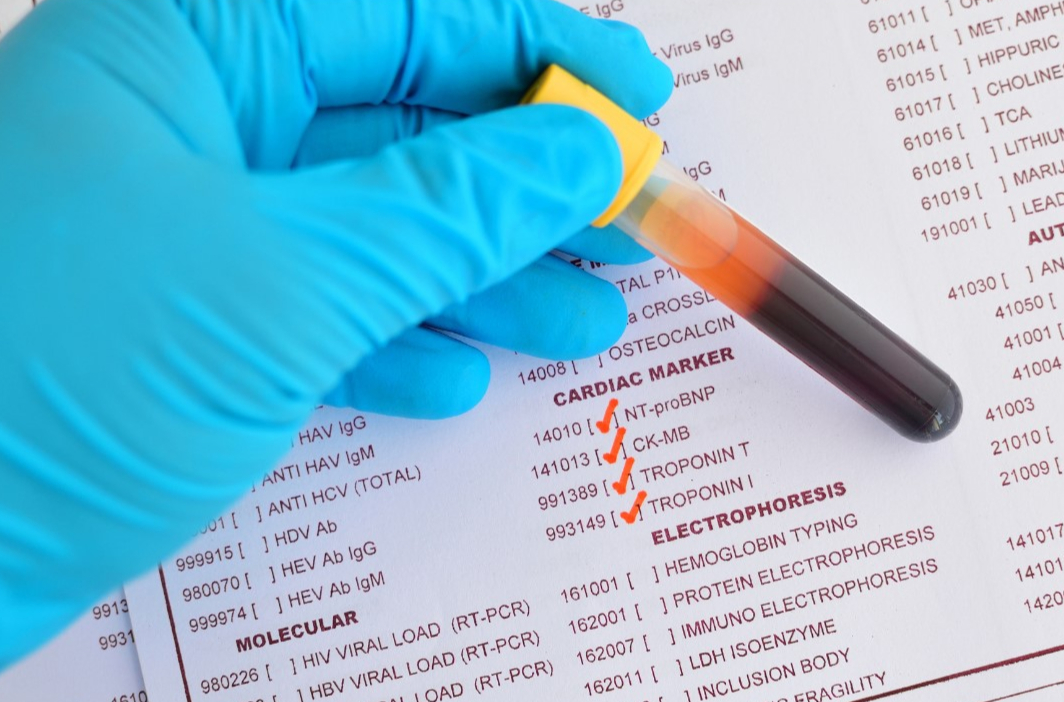
Cardiovascular disease remains a leading global health concern, but regular cardiac markers testing can provide a proactive approach to heart health. This test measures proteins and enzymes that indicate heart stress or damage, such as troponin and C-reactive protein (CRP). Early detection of heart issues enables timely interventions and better outcomes.

3. Cancer Genetic Test (CGX): Assessing Genetic Risks

Your family history may hold important clues about your risk for certain cancers. The Cancer Genetic Test (CGX) identifies genetic markers associated with hereditary cancer syndromes, such as those linked to breast, ovarian, or colorectal cancers. Understanding your genetic predispositions empowers you to take preventative measures or undergo more frequent screenings as needed.

4. Vitamin and Mineral Deficiencies

In today’s fast-paced world, it’s easy to neglect proper nutrition. However, deficiencies in essential vitamins and minerals, such as Vitamin D, Vitamin B12, or iron, can significantly affect your energy levels, immune function, and overall well-being. Vitamin and mineral testing can reveal hidden deficiencies that may be impacting your health, even if you’re not experiencing obvious symptoms.
Starting the year with a focus on proper nutrient levels can help you avoid unnecessary fatigue and support a healthier immune system as you tackle 2025.

5. MicroNutrient Deficiency Screening: A Deeper Dive into Nutrition

For those looking to understand their body’s specific nutrient needs, a micronutrient deficiency screening goes beyond basic testing. This comprehensive analysis evaluates how well your body absorbs and utilizes vitamins, minerals, amino acids, and antioxidants. Addressing deficiencies at the cellular level ensures your body functions at its best.

6. COVID-19 and Other Infectious Disease Testing

While much of the world has moved past the peak of the COVID-19 pandemic, ongoing testing for COVID-19 and other infectious diseases remains important. At NovaLab Corp, we offer accurate COVID-19 testing to help you stay on top of your health, especially if you’ve been exposed or are planning to travel.
Testing for other infectious diseases, such as the flu, strep, and sexually transmitted infections (STIs), is also an important part of maintaining your health. Don’t wait until symptoms arise—regular screening can give you peace of mind and help you protect others.

Why Choose NovaLab Corp?

At NovaLab Corp in Wayne, NJ, we’re dedicated to providing accurate, fast, and reliable lab testing services. We understand the importance of staying proactive about your health, and our team is here to help you with everything from routine screenings to more specialized tests. Our modern facilities and state-of-the-art technology ensure that you receive the most accurate results, empowering you to make informed decisions about your health.
As we move into 2025, make health a priority. Start the year with confidence, knowing that you’ve taken the necessary steps to monitor and improve your health. Contact NovaLab Corp today to schedule your lab tests and take charge of your well-being in the new year!

STD Symptoms in Men and Women: Early Signs You Shouldn’t Ignore

STD Symptoms in Men and Women: Early Signs You Shouldn’t Ignore

Sexually transmitted diseases (STDs) are common infections transmitted through sexual contact. Recognizing early STD symptoms in men and women is crucial for timely treatment and preventing complications. Understanding the signs can empower you to seek prompt medical care and reduce the risk of spreading infections.

Common STD Symptoms in Men and Women

STD symptoms can vary depending on the type of infection, and some individuals may experience no symptoms at all. However, the following are common signs that may indicate an STD:

1. Unusual Discharge

  • Men: Discharge from the penis that is white, yellow, or green may signal infections like gonorrhea or chlamydia. Persistent discharge may indicate a more serious infection and should be evaluated by a healthcare provider.
  • Women: Vaginal discharge that is unusual in color, texture, or smell may indicate infections such as bacterial vaginosis, trichomoniasis, or chlamydia. Early testing can prevent complications like pelvic inflammatory disease (PID).

2. Pain During Urination

  • Burning or pain while urinating can be a sign of gonorrhea, chlamydia, or a urinary tract infection (UTI). Persistent discomfort requires medical evaluation to identify and treat the underlying cause.

3. Genital Sores or Lesions

  • Herpes Simplex Virus (HSV): Painful blisters or sores around the genitals or mouth may be recurring and require antiviral treatment.
  • Syphilis: Painless sores or ulcers that may appear on the genitals, mouth, or anus during the early stages can progress to severe health issues if untreated.

4. Itching and Irritation

  • Persistent itching or irritation around the genitals may be caused by STDs like pubic lice, trichomoniasis, or yeast infections. Seek medical advice if symptoms persist.

5. Pain During Sex

  • Discomfort or pain during intercourse, particularly in women, could be linked to infections such as chlamydia, gonorrhea, or pelvic inflammatory disease (PID). Early treatment can prevent long-term reproductive health issues.

6. Lower Abdominal or Pelvic Pain

  • Women experiencing pelvic or abdominal pain may have PID, often caused by untreated STDs like chlamydia or gonorrhea. This condition can lead to serious complications, including infertility.

7. Swollen Lymph Nodes

  • Enlarged lymph nodes in the groin or other areas of the body may indicate the body is fighting off an infection. Persistent swelling should be assessed by a healthcare provider.

8. Fever and Flu-like Symptoms

  • STDs such as HIV, syphilis, and herpes can cause flu-like symptoms, including fever, fatigue, and body aches. If these symptoms occur after potential exposure, seek immediate medical care.

9. Unexplained Bleeding

Women: Irregular vaginal bleeding or spotting between periods may be due to certain STDs, including chlamydia and gonorrhea. Prompt testing can prevent severe reproductive health problems.

When to Seek Medical Attention

If you notice any of the symptoms mentioned or suspect exposure to an STD, seek medical attention immediately. Early diagnosis and treatment can prevent serious health complications, including infertility, organ damage, and increased risk of HIV.

Preventing STDs: Key Steps to Stay Safe

  • Practice Safe Sex: Use condoms and dental dams consistently and correctly to reduce the risk of transmission.
  • Get Tested Regularly: Routine STD testing ensures early detection and treatment, even when no symptoms are present.
  • Limit Sexual Partners: Reducing the number of sexual partners can lower the risk of exposure and infection.
  • Communicate with Partners: Open discussions about sexual health and testing history can foster safer relationships and mutual understanding.

Stay Vaccinated: Vaccines for HPV and hepatitis B can help prevent certain sexually transmitted infections and related complications.

Why Choose Novalab for STD Testing?

  • Comprehensive Testing Panels: Choose from basic or extended STD testing panels tailored to your needs.
  • Absolute Confidentiality: Your privacy is protected at every stage of the testing process.
  • Convenient Location and Hours: Novalab is easily accessible in Wayne, NJ, with flexible hours.
  • Competitive Pricing: Affordable testing options start at just $75.
  • FDA-Approved Tests: Trust that your tests meet the highest safety and accuracy standards.
  • CLIA-Certified Laboratory: Reliable results from a certified diagnostic center.
  • Rapid Results: Get tested and receive your results quickly.
  • Multiple Payment Options: Pay conveniently with flexible payment plans.

Understanding and recognizing STD symptoms is essential for maintaining good sexual health. Regular testing, open communication, and safe sexual practices can reduce the risk of contracting or spreading STDs. If you notice any unusual signs or suspect exposure, contact us for evaluation and appropriate treatment. Early action can safeguard your health and well-being.