Understanding Diagnostic Lab Testing: How Accurate Results Support Faster, Better Healthcare Decisions

Understanding Diagnostic Lab Testing: How Accurate Results Support Faster, Better Healthcare Decisions

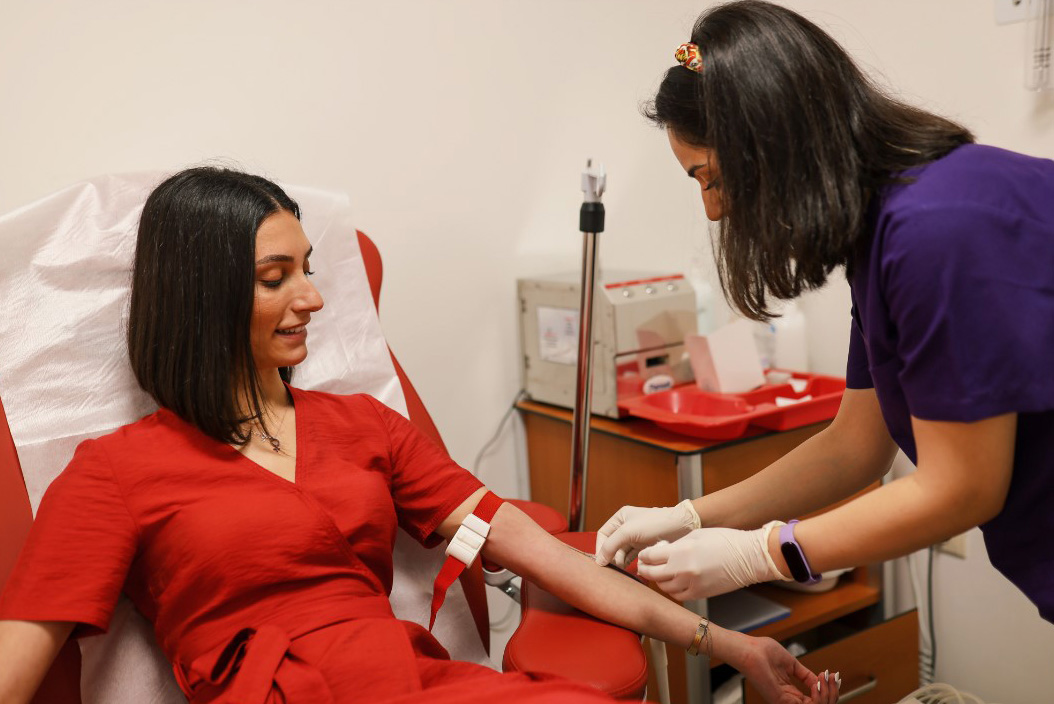
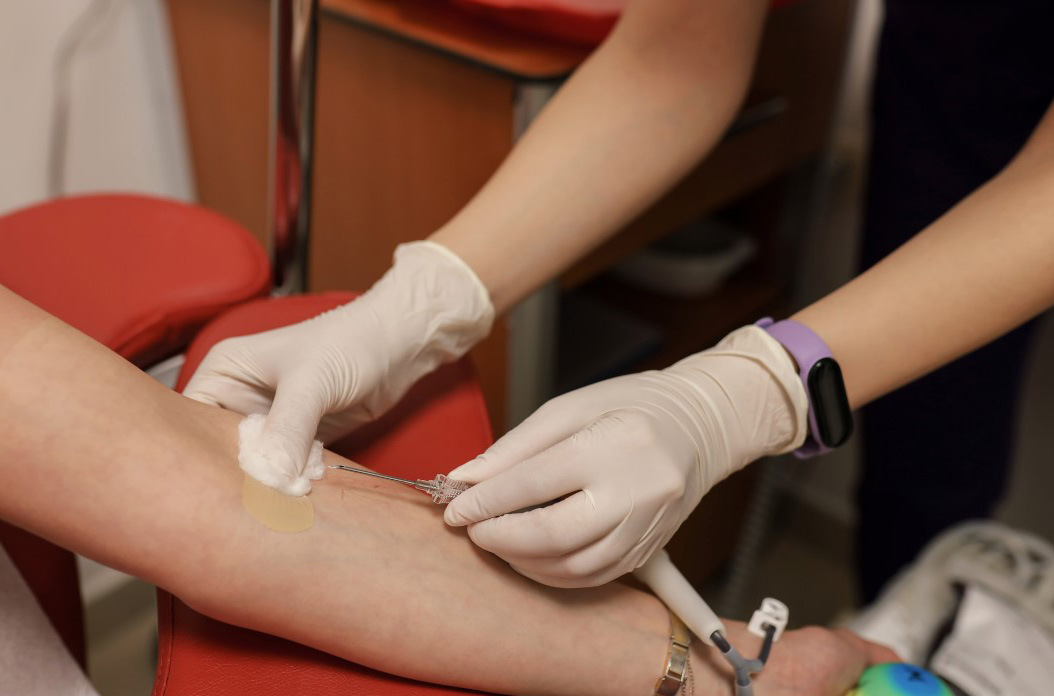
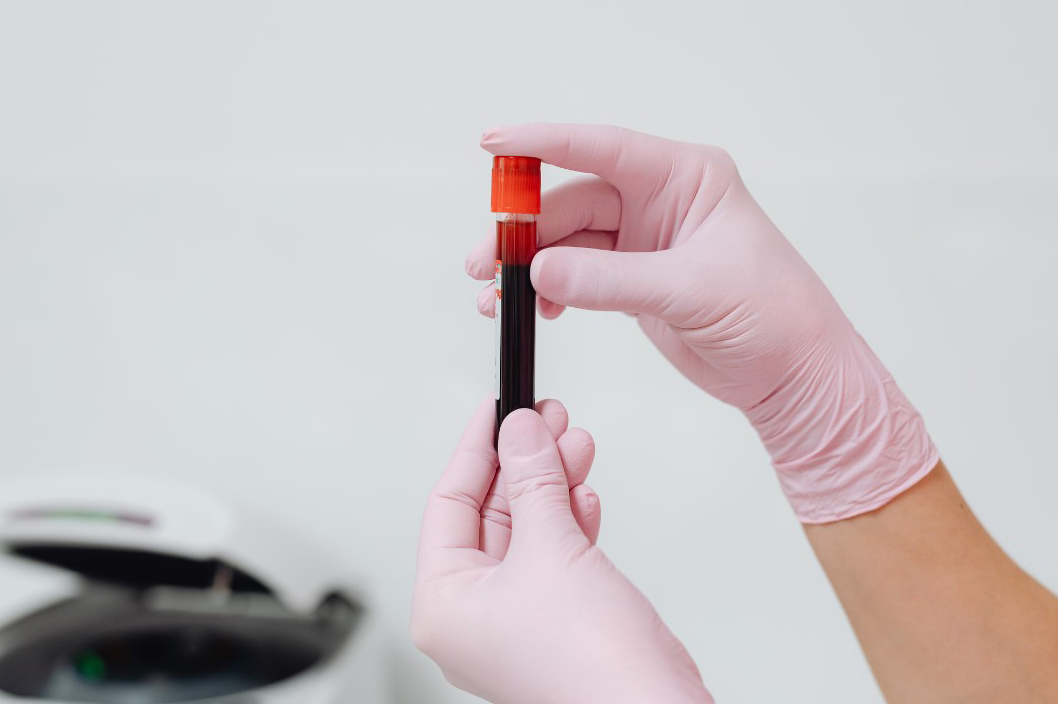
When people think about healthcare, they often focus on doctor visits, treatments, or prescriptions. What is often overlooked is the critical role diagnostic lab testing plays behind the scenes. From routine blood work to advanced specialty panels, laboratory testing helps guide medical decisions every single day. At NovaLab, accurate and timely diagnostic testing is seen as the foundation of effective patient care and informed clinical decisions.

Diagnostic testing provides objective data that helps healthcare providers understand what is happening inside the body. When lab results are accurate and delivered efficiently, providers can move forward with confidence, helping patients get answers and treatment faster.

The Role of Diagnostic Lab Testing in Modern Medicine

Diagnostic lab testing is a cornerstone of modern healthcare. It allows clinicians to detect conditions early, monitor ongoing health concerns, and tailor treatment plans to each individual. Whether a patient is being evaluated for hormone imbalance, thyroid dysfunction, nutrient deficiencies, or chronic conditions, lab testing provides clarity that symptoms alone cannot offer.

At NovaLab, testing supports both preventive care and complex diagnostic needs. Routine lab work can identify potential health issues before they become serious, while specialty testing can uncover underlying causes that may otherwise go undetected. This data-driven approach helps providers avoid guesswork and supports more precise care.

Laboratory results also play a vital role in tracking progress over time. For patients undergoing treatment or lifestyle changes, follow-up testing allows providers to measure improvements and adjust care as needed. We work closely with healthcare providers to ensure results are meaningful, easy to interpret, and clinically useful.

For patients and providers alike, access to reliable diagnostic testing helps reduce uncertainty and supports better long-term health outcomes.

Accuracy, Reliability, and Turnaround Time Matter

Not all lab testing is created equal. Accuracy and reliability are essential because treatment decisions are only as good as the data behind them. Inaccurate or delayed results can lead to unnecessary stress, delayed care, or inappropriate treatment plans.

We emphasize quality at every stage of the testing process. From proper sample handling to advanced testing methods, attention to detail helps ensure dependable results. Accreditation and certification standards exist for a reason, and labs that meet these requirements demonstrate a commitment to consistency and precision.

Turnaround time is another key factor in patient care. When results take too long, providers may be forced to delay decisions or schedule additional visits. Faster, reliable turnaround allows clinicians to respond quickly, whether that means starting treatment, adjusting medications, or reassuring a patient that results are within normal ranges.

We understand that timely information can make a real difference. Efficient workflows and clear communication help ensure results are delivered as quickly as possible without compromising accuracy. This balance supports smoother care coordination and a better experience for both patients and providers.

If you are a healthcare provider or patient seeking dependable testing with efficient turnaround, reaching out to NovaLab can help streamline the diagnostic process.

Why NovaLab Is a Trusted Diagnostics Partner

Choosing the right diagnostic lab is about more than convenience. It is about trust, consistency, and collaboration. NovaLab positions itself as a diagnostics partner rather than just a testing facility. This means supporting healthcare providers with clear results, responsive service, and a broad range of testing options.

We serve a wide range of medical practices and patients, offering both routine and specialty testing across multiple areas of care. This flexibility allows providers to rely on one trusted lab partner for many diagnostic needs, simplifying workflows and improving continuity of care.

For patients, working with a lab that prioritizes accuracy and communication can ease anxiety during the testing process. Understanding that results are handled with care and professionalism helps build confidence in the healthcare journey. NovaLab aims to make diagnostic testing as accessible and straightforward as possible.


If you are looking for a reliable laboratory partner to support better healthcare decisions, now is the time to take the next step. Contact us to learn more about available testing services or to schedule an appointment. Accurate results and timely insights can make all the difference in delivering high-quality care.


At the heart of effective healthcare is information you can trust. Novalab is dedicated to supporting providers and patients with dependable diagnostic testing that helps drive faster, better, and more informed healthcare decisions.


From Bloodwork to Biomarkers: How Advanced Lab Testing Helps Detect Health Issues Earlier

From Bloodwork to Biomarkers: How Advanced Lab Testing Helps Detect Health Issues Earlier

Healthcare today is evolving beyond simply reacting to symptoms. Patients and providers alike are placing greater emphasis on early detection, prevention, and data-driven decisions. One of the most effective ways to support this approach is through advanced lab testing. From routine bloodwork to in-depth biomarker analysis, diagnostic testing offers insight into what is happening beneath the surface. Novalab’s services are designed to help uncover potential health concerns earlier, allowing for faster and more informed healthcare decisions.

Lab testing is no longer just a step taken after symptoms appear. It has become a proactive tool that supports long-term health and smarter care planning.

From Routine Bloodwork to Advanced Biomarkers

Standard bloodwork has long played an important role in medical care. Basic panels help assess overall health, evaluate organ function, and identify obvious abnormalities. While this type of testing is still essential, it often provides only a limited snapshot of the body at a single point in time.

Advanced lab testing expands on this by evaluating biomarkers that reveal deeper patterns within the body. Biomarkers are measurable indicators found in blood or other samples that reflect how specific systems are functioning. These markers can point to early changes related to hormones, inflammation, metabolism, or immune activity, even before symptoms become noticeable.

Our diagnostic services are designed to go beyond surface-level results. By offering advanced and specialty testing, we help providers gain a clearer picture of underlying imbalances or developing conditions. This deeper insight supports earlier intervention and more personalized care strategies.

For patients, advanced testing can bring clarity and reassurance. For providers, it delivers actionable data that supports proactive healthcare rather than waiting for problems to escalate.

Why Early Detection Makes a Meaningful Difference

Early detection can significantly change the course of a patient’s health journey. Identifying concerns in their earliest stages often allows for more effective treatment options and better long-term outcomes. When issues are addressed early, patients may avoid complications and experience improved quality of life.

Advanced lab testing plays a key role in this process. Subtle shifts in biomarkers can signal emerging concerns related to hormone balance, thyroid function, nutrient levels, inflammation, or chronic health conditions. Detecting these changes early allows providers to respond before symptoms become disruptive.

Our approach emphasizes accuracy and reliability because clinical decisions depend on trustworthy data. Clear and timely results allow providers to move forward with confidence and adjust care plans as needed. This efficiency helps reduce delays and supports smoother coordination between patients and healthcare teams.

Patients also benefit from gaining insight sooner. Understanding what is happening internally empowers individuals to make informed choices about lifestyle, treatment, and ongoing care. If you are interested in proactive testing or early detection, scheduling an appointment can be an important step toward better health awareness.

A Partner in Advanced Diagnostic Care

Advanced diagnostic testing requires more than sophisticated technology. It requires consistency, quality standards, and a commitment to precision. Our services are built around these principles, supporting both routine testing and complex diagnostic needs across multiple areas of care.

We work closely with healthcare providers to ensure results are easy to interpret, clinically meaningful, and delivered efficiently. This collaboration helps streamline workflows and enhances the overall care experience. Timely turnaround remains a priority, because faster results allow providers to make decisions without unnecessary delays.

For patients, a dependable diagnostic process can ease uncertainty and stress. Knowing that samples are handled with care and results are reported accurately builds confidence throughout the testing experience.


If you are a provider or patient seeking reliable diagnostic support, now is the time to take the next step. Contact us to learn more about available testing options or to schedule an appointment. Early insight can lead to earlier action and better outcomes.


From routine bloodwork to advanced biomarkers, our mission is to support earlier detection and smarter healthcare decisions. Novalab remains dedicated to delivering accurate, timely, and dependable diagnostic testing that helps providers and patients identify health issues sooner and move forward with confidence.

Identifying Hidden Imbalances With Advanced Lab Testing: How Gut Health and Food Sensitivities Shape Personalized Nutrition

Identifying Hidden Imbalances With Advanced Lab Testing: How Gut Health and Food Sensitivities Shape Personalized Nutrition

Many people struggle with persistent symptoms such as bloating, fatigue, brain fog, skin issues, or unexplained inflammation despite eating well and following general wellness advice. These challenges often stem from underlying imbalances that standard lab work does not detect. Identifying hidden imbalances with advanced lab testing allows individuals and practitioners to look deeper into how the body is functioning and uncover root causes that influence digestion, immunity, metabolism, and overall health. By combining advanced gut health insights with food sensitivity data, functional testing provides a clearer path toward truly personalized nutrition.

Rather than relying on generalized recommendations, functional medicine diagnostics focus on understanding how unique biological systems interact. This approach helps explain why two people eating the same diet can experience very different health outcomes.

How Advanced Lab Testing Identifies Hidden Imbalances

Advanced lab testing goes beyond basic blood panels by analyzing functional markers that reflect how the body is operating at a deeper level. Instead of simply identifying disease, these tests focus on imbalance patterns that may contribute to chronic symptoms over time.

Functional lab testing can assess inflammation, digestive efficiency, immune response, nutrient absorption, microbial balance, and metabolic stress. These insights help identify subtle dysfunctions that often go unnoticed but significantly impact daily health. When these imbalances are left unaddressed, they can lead to worsening symptoms and long-term health challenges.

By identifying hidden imbalances with advanced lab testing, individuals gain objective data that removes guesswork from wellness decisions. This information allows practitioners to tailor nutrition strategies, supplementation, and lifestyle recommendations with precision rather than relying on trial and error. The result is a more targeted and effective approach to restoring balance and improving quality of life.

The Role of Advanced Gut Health and Microbiome Testing

The gut plays a central role in overall health, influencing digestion, immune regulation, hormone balance, and even mental well-being. Advanced gut health and microbiome testing provides detailed insight into the composition and activity of the digestive system, revealing how bacteria, yeast, parasites, and pathogens may be affecting the body.

An imbalanced microbiome can contribute to symptoms such as bloating, constipation, diarrhea, food reactions, nutrient deficiencies, and systemic inflammation. Gut testing evaluates beneficial and harmful microbes, digestive enzyme activity, intestinal inflammation markers, and gut barrier integrity. These findings help explain why certain foods may cause discomfort and why nutrient absorption may be impaired.

When gut health is compromised, the immune system often becomes overactive, leading to widespread inflammation and sensitivity reactions. Advanced gut health testing helps pinpoint these patterns and supports more strategic interventions. Improving gut balance often becomes the foundation for improved energy, clearer thinking, stronger immunity, and better response to personalized nutrition plans.

Using Food Sensitivity and Allergy Testing for Personalized Nutrition

Food sensitivity and allergy testing for personalized nutrition adds another critical layer of insight. Unlike immediate food allergies, food sensitivities often cause delayed reactions that make them difficult to identify without testing. These reactions can contribute to digestive discomfort, headaches, joint pain, skin issues, and fatigue hours or even days after consumption.

Advanced food sensitivity testing evaluates how the immune system responds to specific foods, identifying those that may be triggering inflammation or stress. This information allows individuals to make informed dietary adjustments rather than eliminating foods unnecessarily or following restrictive diets without clarity.

When combined with gut health findings, food sensitivity results help create a nutrition plan that supports healing rather than aggravating underlying imbalances. Removing reactive foods while supporting gut repair can significantly reduce symptoms and improve overall resilience. Personalized nutrition becomes more sustainable and effective when it is based on data that reflects how the body actually responds.

Identifying food triggers through testing also empowers individuals to reintroduce foods strategically over time, supporting long-term dietary flexibility rather than permanent restriction.

Creating a Personalized Path to Better Health

Understanding the root causes behind symptoms is essential for lasting wellness. Identifying hidden imbalances with advanced lab testing allows individuals to move beyond symptom management and focus on restoring balance at a foundational level. When advanced gut health and microbiome testing is paired with food sensitivity and allergy testing for personalized nutrition, the result is a comprehensive view of how the body functions and what it needs to heal.


This personalized approach helps individuals make confident decisions about diet, supplements, and lifestyle changes while avoiding unnecessary guesswork. For those seeking deeper insight into their health and a clearer path toward sustainable wellness, Novalab Corp provides advanced functional medicine diagnostic testing designed to support individualized care.

If you are ready to uncover hidden imbalances, improve digestive health, and build a nutrition plan tailored to your body, the next step is easy. To ask questions, schedule testing, or begin your personalized diagnostic journey, visit our contact page.

How Improving Laboratory Efficiency During Winter Demand Surges Supports Functional Medicine Practices and Diagnostic Innovation

How Improving Laboratory Efficiency During Winter Demand Surges Supports Functional Medicine Practices and Diagnostic Innovation

Winter is often one of the busiest periods for functional medicine and specialty diagnostic laboratories. Seasonal illness, immune concerns, digestive issues, hormone imbalances, and post-holiday health resets lead to a noticeable increase in diagnostic testing requests from practitioners and patients. Improving laboratory efficiency during winter demand surges is essential for maintaining timely turnaround, test accuracy, and a high-quality client experience during peak testing periods.

For a functional medicine diagnostic lab, efficiency is not just about volume. It is about precision, consistency, and the ability to support clinicians with actionable insights when demand is highest. As the year ends and practices plan for the months ahead, streamlined workflows and forward-looking testing strategies help ensure continuity of care and long-term growth.

Below are three key areas where diagnostic labs can strengthen performance during winter surges while preparing for future testing advancements.

Optimizing Diagnostic Workflow to Improve Laboratory Efficiency During Winter Demand Surges

Winter demand surges often bring an influx of samples related to gut health, hormone panels, nutrient deficiencies, inflammation markers, and immune-related testing. For functional medicine labs, optimizing workflow ensures that increased sample volume does not compromise result quality or turnaround expectations.

Efficient sample intake is a foundational step. Clear requisition processes, standardized labeling, and structured accessioning reduce processing delays and minimize the risk of errors. A well-organized intake workflow allows specimens to move smoothly from receipt through analysis without unnecessary bottlenecks.

Automation also plays a critical role in improving laboratory efficiency during winter demand surges. Advanced diagnostic platforms, high-throughput analyzers, and digital reporting systems allow labs to scale testing capacity while maintaining analytical precision. Automation reduces manual handling, supports consistency across batches, and helps laboratory teams manage higher volumes without fatigue.

Cross-trained laboratory staff further strengthen resilience during busy seasons. When team members are skilled across multiple testing categories, labs can adapt quickly to shifting demand patterns, ensuring continuity even during staffing fluctuations or unexpected surges. These efficiencies allow functional medicine labs to remain responsive, accurate, and dependable throughout the winter months.

Supporting Practitioner Readiness With Year-End Diagnostic Testing Solutions

The end of the year is a critical planning period for functional medicine practices and the labs that support them. Implementing thoughtful year-end diagnostic testing solutions helps ensure continuity of care while positioning both labs and practitioners for a strong start to the new year.

Reviewing test utilization trends is an important first step. Winter often highlights increased demand for gut microbiome testing, food sensitivity panels, hormone assessments, vitamin and mineral testing, and inflammatory markers. Understanding these trends allows labs to plan inventory, reagents, and staffing needs accordingly.

Supply readiness is especially important for specialty diagnostics. Ensuring consistent availability of test kits, reagents, and consumables helps prevent delays that can disrupt practitioner workflows and patient care. Year-end planning also provides an opportunity to refine logistics, kit distribution processes, and turnaround benchmarks.

Quality assurance remains a top priority during this period. Reviewing validation protocols, calibration schedules, and reporting accuracy ensures that diagnostic results remain reliable and clinically meaningful. For functional medicine providers, precision and consistency are essential, as test results directly inform personalized treatment plans.

By strengthening year-end diagnostic testing solutions, functional medicine labs can support practitioner confidence, maintain high service standards, and ensure seamless care delivery during peak seasonal demand.

Preparing for Point-of-Care Testing Advancements for 2026 Healthcare Planning

As healthcare continues to evolve, point-of-care testing advancements for 2026 healthcare planning are becoming increasingly relevant to functional medicine and integrative care models. While centralized laboratory testing remains essential for comprehensive analysis, emerging point-of-care tools are expanding the way practitioners gather real-time insights.

Point-of-care testing is moving beyond basic screenings, with innovations that support rapid biomarker analysis, metabolic indicators, and preliminary assessments that complement lab-based diagnostics. Functional medicine labs that prepare for this shift can position themselves as strategic partners in a more connected diagnostic ecosystem.

Preparation begins with evaluating data integration capabilities. Ensuring compatibility between laboratory reporting systems and practitioner platforms supports seamless interpretation of results across testing modalities. Workflow alignment is also critical, allowing lab-based diagnostics and point-of-care insights to work together rather than in isolation.

Training and education will play an increasing role as new technologies emerge. Supporting practitioners with clear guidance, result interpretation resources, and standardized protocols ensures that testing innovations enhance care quality rather than create confusion.

By preparing for point-of-care testing advancements, functional medicine diagnostic labs can stay at the forefront of personalized care, innovation, and long-term scalability.

Improving laboratory efficiency during winter demand surges, strengthening year-end diagnostic readiness, and preparing for future testing innovations all contribute to a more responsive and resilient diagnostic operation. For functional medicine practices seeking accurate testing, dependable turnaround, and advanced diagnostic solutions, Novalab Corp provides specialized laboratory services designed to support precision care and long-term growth. To learn more, request information, or schedule a consultation, visit our contact page.

Emerging Blood-Based Biomarkers for Alzheimer’s Diagnosis

Emerging Blood-Based Biomarkers for Alzheimer’s Diagnosis

Alzheimer’s disease remains one of the most challenging neurodegenerative conditions to diagnose early and accurately. Traditional diagnostic methods often rely on brain imaging or cerebrospinal fluid analysis both effective but invasive and costly. Recent breakthroughs in blood-based biomarkers are transforming this landscape, offering a simpler, faster, and more accessible route to early detection. Let’s explore how these biomarkers are revolutionizing Alzheimer’s diagnosis and what the future holds.

Understanding Blood-Based Biomarkers

Blood-based biomarkers are measurable biological indicators in the bloodstream that reflect underlying disease processes in the brain. In Alzheimer’s disease, these biomarkers typically correspond to the buildup or activity of proteins like amyloid-beta (Aβ) and tau, which are central to the disease’s progression.

Traditionally, detecting these proteins required a spinal tap or advanced imaging techniques such as PET scans. Both are expensive and not always feasible for large-scale screening. Blood-based biomarkers, however, allow clinicians to detect similar disease signatures through a simple blood draw making Alzheimer’s testing more accessible, less invasive, and potentially suitable for early screening even before symptoms appear.

Recent research has identified several promising blood markers, including plasma p-tau181, p-tau217, Aβ42/40 ratio, and neurofilament light chain (NfL). These molecules show strong correlations with Alzheimer’s pathology, helping distinguish it from other forms of dementia with increasing accuracy.

Advantages of Early Detection Through Blood-Based Testing

Early detection of Alzheimer’s disease offers profound benefits. Detecting abnormalities in blood-based biomarkers long before cognitive decline begins could enable earlier intervention, when lifestyle adjustments, medications, or clinical trial participation may have the most impact.

Blood-based testing is less invasive, requiring only a standard blood sample rather than cerebrospinal fluid extraction. It’s also more scalable, opening doors for population-wide screening and routine health checks. This accessibility could bridge the gap between symptom onset and diagnosis, which currently can take years.

Moreover, blood biomarkers are useful for monitoring disease progression and evaluating treatment response. As new therapies targeting amyloid and tau emerge, clinicians will need reliable, cost-effective tools to track biochemical changes over time. Blood-based biomarker testing could serve as a cornerstone for personalized Alzheimer’s management, aligning care with individual disease trajectories.

Tests Available for Clinical Use (LDT and IVD)

Novalab Corp offers an advanced suite of Laboratory Developed Tests (LDT) and In Vitro Diagnostic (IVD) assays for Alzheimer’s research and clinical use. These tests enable early detection, disease monitoring, and risk stratification, bringing precision diagnostics closer to patients and providers.

  1. Plasma p-Tau 217 – Detects phosphorylated tau protein associated with early Alzheimer’s pathology; a strong indicator of neurofibrillary tangle development.
  2. Plasma Nf-L (Neurofilament Light Chain) – Measures neuronal damage and degeneration, reflecting axonal injury across various neurodegenerative disorders.
  3. CSF Aβ42/40 Ratio – Evaluates the balance of amyloid-beta peptides in cerebrospinal fluid, providing key insights into amyloid plaque formation in the brain.
  4. Serum Nf-L – A blood-based measure of neurofilament light chain, offering a less invasive alternative for tracking neuronal damage over time.
  5. CSF t-Tau (Total Tau) – Assesses total tau protein levels to indicate the overall extent of neuronal injury or neurodegeneration.
  6. CSF p-Tau 181 – Detects specific tau phosphorylation changes linked to Alzheimer’s, aiding in differential diagnosis from other dementias.
  7. CSF Nf-L – Provides a sensitive measure of axonal injury within the central nervous system, complementing other CSF biomarkers.
  8. APOE Genotyping – Identifies genetic variants of the APOE gene, particularly APOE ε4, known to increase Alzheimer’s disease risk and influence disease progression.

These clinical assays enhance early diagnostic precision and guide patient-specific management strategies, supporting proactive neurological care.

The Future of Alzheimer’s Diagnostics

As the research deepens, blood-based biomarkers are expected to become part of standard diagnostic panels. Combining them with genetic and imaging data could refine predictive accuracy even further.

Emerging technologies like machine learning are helping researchers analyze biomarker data patterns, uncovering subtle signatures of disease years before symptoms arise. Large-scale studies are also validating these tests across diverse populations, ensuring reliability regardless of age, ethnicity, or comorbid conditions.

Beyond detection, these biomarkers are likely to aid in precision medicine tailoring prevention and treatment plans to each individual’s biology. They may also support routine wellness testing, allowing proactive screening for those at higher risk of cognitive decline.

Still, challenges remain. Standardization of assays, regulatory approvals, and integration into clinical workflows are ongoing. As with any new diagnostic frontier, ensuring accuracy, affordability, and accessibility will be key to widespread adoption.

Novalab Corp Innovation

The discovery of blood-based biomarkers marks a new era in Alzheimer’s care shifting focus from late-stage diagnosis to early detection and proactive management. By making testing more accessible and less invasive, these innovations could change how clinicians and families approach cognitive health.

For individuals and healthcare providers seeking advanced laboratory testing and biomarker analysis, Novalab Corp offers cutting-edge diagnostic solutions designed to detect subtle biological changes long before symptoms appear. With a commitment to scientific precision and patient-centered innovation, Novalab Corp empowers you to take charge of your neurological health and make informed decisions for the future.

5 Signs It’s Time to Ask for a Deeper Blood Workup

5 Signs It’s Time to Ask for a Deeper Blood Workup

Your blood tells an incredible story about your health, often revealing issues long before symptoms become obvious. While routine checkups can catch many common conditions, there are times when you need a deeper look into what’s happening inside your body. This is where a blood workup comes in.
Unlike basic screenings, a comprehensive blood test goes beyond the usual handful of measurements to give your healthcare provider a detailed snapshot of your overall health. These advanced insights are often the key to early disease detection and timely treatment.
If you’ve been feeling “off” or want a clearer picture of your health, here are five signs it might be time to ask your doctor for a deeper blood workup.

Persistent Fatigue and Low Energy

If you’ve been feeling unusually tired for weeks or months, it’s worth exploring the cause. Fatigue can be linked to a wide range of underlying issues from anemia and thyroid problems to chronic infections and nutrient deficiencies.
Ignoring persistent fatigue can delay early disease detection, making it harder to treat conditions that could have been caught in their early stages.

Unexplained Weight Changes

Sudden weight gain or loss without changes in diet or exercise can be a red flag. It may point to hormonal imbalances, metabolic issues, or even more serious health conditions.
A deeper blood workup can measure blood sugar levels, insulin resistance, and hormone markers like cortisol, testosterone, and estrogen. It can also assess liver and kidney function to ensure your metabolism and detoxification systems are working properly.
Catching these changes early can help you and your doctor make targeted lifestyle or medical interventions before they escalate into chronic health problems.

Chronic or Recurrent Symptoms

Recurring headaches, joint pain, digestive issues, or skin problems might be your body’s way of signaling that something deeper is going on. Sometimes, these symptoms are brushed off as minor or “normal,” but a comprehensive blood test can reveal patterns that point toward autoimmune conditions, allergies, or inflammatory disorders.
Blood work can measure immune system markers, inflammatory proteins like C-reactive protein (CRP), and antibody levels to detect early signs of illness. This type of testing is especially valuable for people with a family history of chronic disease, where early disease detection could mean preventing the condition from progressing.

Why a Blood Workup Matters for Long-Term Health

While these signs are important, you don’t have to wait until symptoms appear to benefit from advanced testing. Preventive health strategies often rely on comprehensive blood tests to set a baseline for your health, track changes over time, and detect potential problems before they become serious.
A blood workup is more than just a set of numbers; it’s a tool that empowers you with knowledge. It can help you make informed decisions about your diet, exercise, supplements, and overall lifestyle to optimize your health and longevity.

Taking the Next Step

If any of these signs sound familiar or if you simply want to take a proactive approach to your health, talk to your healthcare provider about getting a comprehensive blood test. Whether it’s to investigate symptoms, establish a health baseline, or screen for risk factors, the right blood workup can give you and your doctor the information you need to take action.

Novalab Corp offers advanced diagnostic testing designed to support early disease detection and provide clear, reliable results. Our team works with individuals and healthcare providers to uncover the root causes of health concerns, enabling you to make informed choices that protect your well-being today and in the future.

Lifestyle Changes That May Lower Your Risk of Alzheimer’s

Lifestyle Changes That May Lower Your Risk of Alzheimer’s

Alzheimer’s disease is one of the most common neurodegenerative conditions affecting older adults worldwide. While age and genetics are factors we can’t control, research continues to show that certain lifestyle changes can significantly reduce the risk of developing Alzheimer’s and improve overall brain health. By focusing on prevention early, you can help safeguard your memory, sharpen your mind, and enhance your quality of life well into your later years.
Below, we’ll explore three areas where small but consistent adjustments can make a meaningful difference for Alzheimer’s prevention and long-term mental fitness.

Prioritize Brain-Boosting Nutrition

What we eat plays a direct role in the health of our brain. Diets rich in antioxidants, healthy fats, and essential nutrients can protect brain cells, reduce inflammation, and promote better memory retention.
One of the most well-researched approaches for brain health is the Mediterranean diet, which emphasizes:
  • Fresh fruits and vegetables (rich in vitamins, minerals, and antioxidants)
  • Whole grains (for steady energy and improved cognitive function)
  • Healthy fats like olive oil and avocado (to protect neural pathways)
  • Lean proteins such as fish, poultry, and legumes (which contain omega-3 fatty acids beneficial for brain health)
Another variation, the MIND diet (Mediterranean-DASH Diet Intervention for Neurodegenerative Delay), specifically targets Alzheimer’s prevention by limiting red meats, butter, and processed foods, while encouraging leafy greens, berries, nuts, and fish.
Hydration is equally important. Even mild dehydration can affect concentration and short-term memory. Aim for consistent water intake throughout the day, and limit excessive sugar and alcohol, which can negatively impact brain performance.
By making these dietary lifestyle changes, you provide your brain with the fuel it needs to stay alert, sharp, and resilient.

Stay Physically Active and Socially Engaged

Regular physical activity isn’t just about keeping the body fit it’s also one of the most powerful tools for Alzheimer’s prevention. Exercise increases blood flow to the brain, supports the growth of new brain cells, and strengthens the connections between them.

Cardio activities like walking, swimming, or cycling are especially beneficial. Aim for at least 150 minutes of moderate aerobic exercise each week. Strength training and balance exercises also help maintain mobility and reduce the risk of falls, which can indirectly affect cognitive health.

Equally important is social engagement. Humans are wired for connection, and meaningful interactions help reduce stress, boost mood, and stimulate brain function. Whether it’s joining a club, volunteering, attending community events, or maintaining regular contact with friends and family, staying socially active is a key part of maintaining mental fitness.
Consider combining the two by engaging in group activities like a dance class or hiking group that offer both physical and social benefits. These combined lifestyle changes can have a compounding positive effect on cognitive resilience.

Challenge Your Brain and Manage Stress

Keeping your mind active is just as important as keeping your body in shape. Regularly engaging in mentally stimulating activities builds cognitive reserve, helping the brain adapt and compensate for age-related changes.

Some effective mental workouts include:

  • Learning a new skill or language
  • Playing strategy games or solving puzzles
  • Practicing a musical instrument
  • Reading and discussing books or articles
These activities encourage your brain to form new neural pathways, which supports long-term mental fitness and can delay the onset of Alzheimer’s symptoms.
Equally vital is stress management. Chronic stress triggers the release of cortisol, a hormone that, in high levels, can damage brain structures involved in memory and learning. Stress-reducing practices such as meditation, yoga, deep-breathing exercises, or spending time in nature can help protect your cognitive health.

Creating a consistent sleep routine is also essential. Poor sleep quality or untreated sleep disorders like sleep apnea are linked to higher Alzheimer’s risk. Aim for 7–9 hours of quality rest each night to allow your brain to clear toxins and consolidate memories.

Taking Action for a Healthier Future

While there is no guaranteed way to prevent Alzheimer’s, adopting these lifestyle changes nourishing your body with brain-healthy foods, staying physically and socially active, and keeping your mind challenged while managing stress can significantly improve your chances of maintaining cognitive health as you age.

Small, consistent steps taken today can have a lasting impact on your mental well-being. Whether you’re in your 30s, 50s, or beyond, it’s never too early or too late to start making changes that benefit your brain.
Novalab Corp is committed to supporting your journey toward better health through advanced diagnostic testing and personalized care recommendations. By identifying risk factors early and empowering you with the right tools, we help you make informed decisions that protect both your body and mind for years to come.

Lyme Disease Testing: When to Get It and What Your Results Mean

Lyme Disease Testing: When to Get It and What Your Results Mean

Have you ever felt dismissed after a doctor told you your labs were “normal,” despite still feeling unwell? You’re not alone. At Novalab Corp in Wayne, NJ, we specialize in uncovering what traditional lab tests often miss—immune responses to everyday foods that could be silently fueling your symptoms.

Early detection can make a significant difference in how Lyme disease is treated and managed. Knowing when to seek testing—and understanding your results—empowers you to act quickly and take charge of your health.

Recognizing Lyme Disease Symptoms

Lyme disease doesn’t always present the same way in every person, which is why it’s often overlooked in its early stages. Symptoms can start within 3 to 30 days of a tick bite but may develop gradually or resemble other common conditions.

Early symptoms may include:

  • Fatigue
  • Fever and chills
  • Headaches
  • Muscle or joint aches
  • Swollen lymph nodes
  • A circular or bullseye-shaped rash near the bite site (known as erythema migrans, though not everyone gets this rash)
If left untreated, the infection can spread and lead to:
  • Severe joint pain and swelling
  • Neurological symptoms (such as facial drooping or nerve pain)
  • Irregular heartbeat or dizziness
  • Cognitive difficulties or memory issues
Because Lyme disease mimics other illnesses, it’s crucial to pay attention to these symptoms—especially if you’ve recently been in wooded, grassy, or tick-prone areas.

When to Consider Lyme Disease Testing

Timing is everything when it comes to Lyme disease testing. Testing too early—before the body has produced detectable antibodies—can lead to false-negative results. That said, some tests like PCR can detect the presence of bacterial DNA early in the infection.

You should consider Lyme disease testing if you:

  • Develop symptoms within days or weeks of a tick bite
  • Don’t recall a tick bite but start showing consistent symptoms after spending time in wooded or grassy environments
  • Experience symptoms that resemble Lyme disease but haven’t responded to typical treatments
  • Have a history of chronic fatigue, unexplained joint pain, or neurological symptoms without a clear cause
If symptoms are present and there’s a reasonable suspicion of tick exposure, early testing—guided by your provider—can help catch the infection before it becomes more difficult to manage.

Understanding the Types of Lyme Disease Tests

There isn’t a one-size-fits-all approach to Lyme disease testing. Different tests are used depending on the stage of the illness and how long it’s been since potential exposure.

1. PCR Lyme Test (Polymerase Chain Reaction)

This advanced diagnostic tool detects the genetic material (DNA) of Borrelia burgdorferi. PCR is particularly useful in the early stages of infection or when symptoms point to Lyme but standard antibody tests are inconclusive.
  • Best used for: Early detection or ongoing symptoms that don’t match standard serology results
  • Sample type: Typically blood, sometimes spinal fluid or joint fluid
  • What it shows: Active infection through direct bacterial presence
  • Note: False negatives can still occur if bacterial levels are very low in the sample

2. ELISA (Enzyme-Linked Immunosorbent Assay)

This blood test checks for antibodies the body produces in response to Lyme bacteria. A positive ELISA result typically requires confirmation.
  • Best used for: Detection weeks after exposure (antibodies take time to develop)
  • What it shows: Immune system response to infection

3. Western Blot

Often used to confirm a positive ELISA result, this test identifies specific proteins (antibodies) related to Lyme disease.
  • Best used for: Confirming diagnosis in later stages
  • What it shows: More detailed evidence of exposure based on immune response

Interpreting Lyme Test Results in Context

A single lab result doesn’t always give the full picture. Lyme disease testing should always be interpreted alongside your symptoms, exposure history, and how long it’s been since potential infection.
  • Positive PCR test: Indicates the presence of Borrelia DNA and supports active infection
  • Negative PCR test with symptoms: Doesn’t entirely rule out Lyme—retesting or antibody testing may be needed
  • Positive ELISA and Western Blot: Confirms immune response and supports diagnosis
  • Negative antibody tests early on: May need to be repeated after a few weeks if symptoms persist
Some patients may test negative but still experience symptoms. In these cases, clinical judgment plays a key role in deciding treatment options.

Taking the Next Step

Prompt testing is critical when Lyme disease is suspected. The sooner it’s identified, the more effective treatment can be—often with a simple course of antibiotics that prevents long-term complications. Delayed diagnosis, however, can lead to more persistent and complex issues.
NovaLab Corp offers advanced Lyme disease testing, including PCR and serology panels, for accurate and timely diagnostics. Backed by modern lab infrastructure and clinical expertise, testing is handled with precision and compassion.
If you’ve experienced Lyme disease symptoms, suspect tick exposure, or are dealing with unexplained chronic health concerns, consider scheduling a Lyme disease test today. Early action can protect your health and help avoid complications down the road.
Contact NovaLab Reference Medical Lab to schedule your Lyme disease testing or learn more about available diagnostics. Your wellness starts with the answers you deserve.

A Breakthrough in Alzheimer’s Testing: NovaLab Corp Now Offers FDA-Approved pTau-217 Blood Test

A Breakthrough in Alzheimer’s Testing: NovaLab Corp Now Offers FDA-Approved pTau-217 Blood Test

Have you ever felt dismissed after a doctor told you your labs were “normal,” despite still feeling unwell? You’re not alone. At Novalab Corp in Wayne, NJ, we specialize in uncovering what traditional lab tests often miss—immune responses to everyday foods that could be silently fueling your symptoms.

This innovative test provides a critical alternative to traditional diagnostic methods like PET scans or spinal taps, which can be costly, invasive, or difficult to access. Designed for adults 45 and older showing signs of memory loss or confusion, the pTau-217 test helps bring clarity earlier in the diagnostic journey.

What is pTau-217 and Why Is It Important?

pTau-217 (phosphorylated tau 217) is a protein closely linked with Alzheimer’s pathology. In Alzheimer’s, this protein accumulates and contributes to the formation of tau tangles and amyloid plaques—the two defining changes seen in the brain.
What makes this test remarkable is its ability to detect these changes through a simple blood draw. Studies have shown that elevated pTau-217 levels in plasma strongly correlate with brain imaging results, making it a powerful tool in the early detection process.

Who Should Consider This Test?

This test may be appropriate for individuals who:
  • Are experiencing memory lapses, confusion, or difficulty focusing
  • Are aged 45 to 85 and beginning to notice cognitive changes
  • Have a family history of Alzheimer’s or dementia
  • Want a non-invasive alternative to traditional diagnostic procedures
It’s also helpful for clinicians seeking to distinguish Alzheimer’s from other causes of cognitive decline in their patients.

What Do the Results Mean?

Results from the pTau-217 test are expressed in nanograms per liter (ng/L). Here’s how to interpret the numbers:
  • < 0.34 ng/L: Negative — Low likelihood of Alzheimer’s
  • 34–0.63 ng/L: Intermediate — May require further neurological evaluation
  • > 0.63 ng/L: Positive — High probability of Alzheimer’s; consistent with PET imaging findings
While the test provides valuable information, it should always be considered as part of a broader clinical evaluation, including cognitive assessments, medical history, and physical exams.

Why Choose NovaLab Reference Medical Lab?

The diagnostic process is only as good as the guidance that comes with it. NovaLab Corp offers:
  • Expert interpretation of test results in the context of each patient’s medical and cognitive background
  • Access to specialists and follow-up testing when further evaluation is needed
  • Compassionate care with a focus on clarity, dignity, and actionable next steps
Every patient receives personalized support designed to help them understand their results and explore the best path forward.
By identifying and eliminating reactive foods, your body can heal from the inside out, reducing inflammation and improving how you feel day to day.

Take the First Step Toward Clarity

If memory problems or cognitive concerns are affecting you or someone close to you, early detection can open the door to more effective care. Schedule a consultation today to find out if the pTau-217 blood test is a good fit for your situation. Contact us to book your appointment or learn more about this breakthrough diagnostic option.

Fertility Testing: What to Expect and How to Prepare

​​Fertility testing plays an important role in reproductive health care. For individuals and couples planning to build a family, diagnostic evaluation provides essential insights into potential barriers to conception. These tests can identify underlying conditions early, allowing for timely medical intervention and more personalized treatment pathways.

This guide outlines the importance of fertility testing, the procedures typically involved, and practical ways to prepare—so patients can feel more informed and less uncertain as they take the next steps.

Understanding the Importance of Fertility Testing

Fertility assessments are not limited to those who have already encountered difficulties conceiving. Many clinicians recommend diagnostic evaluation as a proactive measure before attempting pregnancy. Early testing allows medical professionals to detect concerns that may not be immediately apparent, which can improve outcomes by addressing potential issues prior to conception efforts.

Female fertility testing commonly evaluates hormone levels, egg supply, and reproductive organ health. Common tests include blood hormone panels, pelvic ultrasounds, and ovulation tracking. For males, semen analysis and hormone testing provide insight into reproductive function. With this data, physicians can recommend individualized care plans, addressing conditions such as ovulatory dysfunction, tubal blockages, or sperm abnormalities.

Early detection not only supports better results but also reduces emotional stress for patients by removing uncertainty and offering a path forward with clarity.

What Happens During Fertility Testing

Fertility evaluations vary based on a patient’s health history, symptoms, and goals. Most assessments follow a structured, multi-step approach designed to uncover the root causes of potential fertility challenges.

For Women:

  • Blood Testing: Measures reproductive hormone levels such as FSH, LH, AMH, prolactin, and estradiol to assess ovarian reserve and hormone balance.
  • Transvaginal Ultrasound: Evaluates the uterus and ovaries, checking for cysts, fibroids, or follicular activity.
  • Ovulation Tracking: Identifies if and when ovulation is occurring, often through serial blood tests or at-home urinary LH kits.
  • Advanced Imaging (if necessary): Tests like hysterosalpingography (HSG) may be ordered to assess fallopian tube patency or uterine abnormalities.

For Men:

  • Semen Analysis: Assesses sperm concentration, motility (movement), morphology (shape), and overall volume. This is often the first step in evaluating male fertility.
  • Hormone Testing: Analyzes levels of testosterone, FSH, and LH to detect hormonal imbalances that may be affecting sperm production.
  • Scrotal Ultrasound (if indicated): May be used to examine varicoceles, testicular masses, or structural abnormalities.

Common Causes of Male Fertility Issues

Low sperm count is among the most common reasons for male infertility. Contributing factors may include:

  • Hormonal imbalances
  • Genetic disorders
  • Past infections or testicular trauma
  • Lifestyle habits such as tobacco, alcohol use, or anabolic steroid exposure
  • Environmental toxins
  • Obesity and inadequate nutrition
  • Prolonged exposure to high heat (e.g., hot tubs or saunas)

Identifying the root cause is key to developing a targeted and effective treatment plan. Many cases respond positively to lifestyle modification or medical therapy.

How to Prepare for Fertility Testing

A few key steps can help patients prepare for their fertility workup and ensure more accurate test results.

Steps for Women:

  • Cycle Tracking: Maintain a record of menstrual cycles, as timing matters for certain tests.
  • Medication Review: Some hormonal contraceptives may interfere with testing. Discuss this with a provider to determine the best timing for evaluation.
  • Medical History: Be prepared to discuss menstrual patterns, prior pregnancies, surgeries, or underlying health conditions.

Steps for Men:

  • Abstain from Ejaculation (2–5 days prior): This helps ensure optimal semen sample quality.
  • Healthy Lifestyle Habits: Hydration, nutrition, and sleep all support reproductive health.
  • Avoid Toxins: Eliminate alcohol, smoking, and drug use during the testing window.
  • Minimize Heat Exposure: Avoid saunas, hot baths, and placing laptops directly on the lap before testing.

Mental and Emotional Preparation:

Undergoing fertility testing can create emotional and psychological stress, especially if results are unexpected. Patients are encouraged to view testing as an informative step rather than a verdict. Reproductive health is complex, and test results often serve as the starting point for developing an effective path forward.

Support resources are available, including counseling and fertility specialists who guide patients through their options with compassion and medical expertise.

Take the First Step with Confidence

Fertility testing provides clarity in a process that can often feel uncertain. With early and accurate diagnostic testing, individuals and couples gain the information needed to make reproductive decisions with confidence.

NovaLab Reference Medical Lab offers diagnostic fertility testing for both men and women using advanced tools and evidence-based protocols. As a clinical reference laboratory, NovaLab maintains the highest standards in testing accuracy, patient privacy, and reporting turnaround. Each test panel is designed to uncover crucial reproductive markers, enabling healthcare providers and patients to move forward with timely and targeted care.

To schedule fertility testing or learn more about available services, contact NovaLab today and take the first step toward informed reproductive health management.